
Ultimate Guide to Winter Squash
Winter squash is a versatile ingredient that is cooked in so many ways, from soups and pureés to cakes and breads to roasting, baking, and boiling. They are very easy to prepare and have a sweet, nutty flavor the whole family will love.

What is Winter Squash?
These squashes are native to the Americas. Indian cultures such as the Aztecs, Mayans, and Native Americans grew corn, squash, and beans together. These were considered the “Three Sisters” in these cultures. Growing these three crops together benefits them all. Beans “fix” nitrogen by working with bacteria on their roots to convert nitrogen from the air into a form plants can use. This enriches the soil for the corn and squash. The corn provides support for the beans to climb, while the squash’s large leaves shade the soil and help suppress weeds.
Winter squash is easy to grow, stores well for months, and can be used in everything from soups to desserts. They are great for the holidays and perfect for everyday meals.
They are called winter squash because they form a hard shell on the outside and can be stored in a cool, dark spot all winter long.
Lots of varieties are high in potassium, vitamin C, and fiber.
Growing Winter Squash
They are fairly easy to grow. Plant seeds on small mounds of soil, often called hills. Give them plenty of room to grow. They are large plants, so don’t crowd them.
They need consistent moisture while the fruit is developing. They will be one of the first crops to wilt if they are too dry. Just wait until later in the day or early morning to water. Oftentimes, plants that were wilted in the heat of the day will perk up in the evening.
To harvest the fruit, carefully cut it from the vine in September or October when the skins are very hard, leaving about 2 inches of the stem attached to the squash.
Most winter squash benefit from curing for 7 to 14 days in a warm, dry location. Curing hardens the rind, heals small scratches, and helps them store longer. Once cured, keep them in a cool, dry place where they’ll last for several months.
What does Squash Taste Like?
Winter squash has a naturally sweet, nutty flavor that’s often compared to sweet potatoes. Some varieties are richer and sweeter than others, but all become even sweeter when roasted.
Types of Winter Squash
Squash varieties number in the hundreds, and every year I find a new favorite around me. More and more varieties are becoming available to plant from seed.
|
Type |
Flavor |
Edible Skin |
Best Uses |
|---|---|---|---|
|
Butternut |
Nutty |
No |
Roasting, Soups, Baked Goods |
|
Honeynut |
Improved butternut, Sweet |
Usually |
Roasting, Baking |
|
Acorn |
Mild |
No |
Roasting, Soups, Baked Goods |
|
Delicata |
Sweet |
Yes |
Roasting, Baking |
|
Turban |
Mild |
No |
Roasting, Stuffing |
|
Hubbard |
Rich, Sweet |
No |
Mashing, Purees, Pies |
|
Spaghetti |
Neutral |
No |
Substitute for Pasta |
|
Mashed Potato |
Mild Squash Flavor |
No |
Substitute for Mashed Potatoes or Bake |
|
Pumpkin |
Mild to sweet |
No |
Canning, Roasting, Boiling |
|
Buttercup |
Very sweet |
No |
Roasting, Stuffing, Mashing |
|
Kabocha |
Sweet chestnut-like flavor |
Usually |
Roasting, Stuffing, Boiling |
|
Carnival |
Mild |
No |
Roasting, Stuffing |
|
Red Kuri |
Sweet, Flavorful |
No |
Roasting, Baked Goods |
How to Cook Winter Squash
For all of the following cooking methods, slice in half and remove the seeds and endocarp (the stringy stuff with the seeds). Peel varieties with tough, inedible skin unless otherwise noted.
Roasting
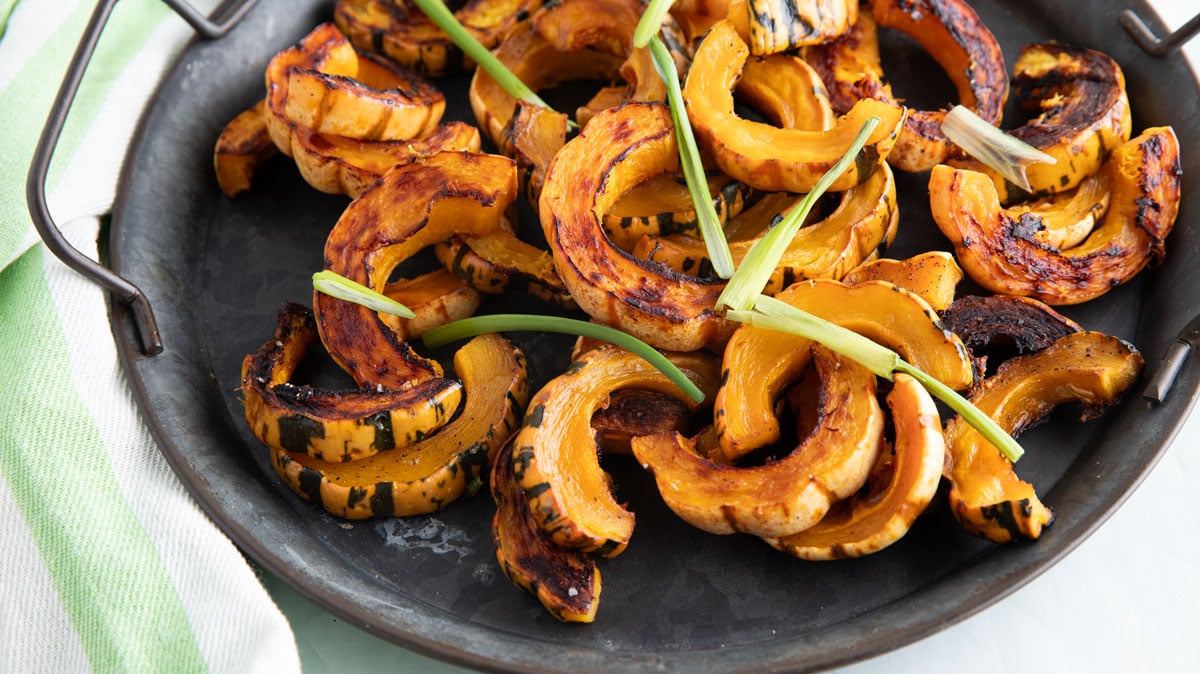
Roasting is one of the easiest ways to cook squash. If they are cooked halved, they don’t need to be peeled; just drizzle with olive oil or melted butter and season them.
Squash can also be roasted in slices or cubes. It requires a bit more preparation, but the benefit is crisper, caramelized edges. Try this Mashed Potato Squash.
Boiling and Steaming
Cut the squash into 1-2″ cubes. Add just enough water to cover the squash. Bring to a boil. Boil for about 20 minutes until the squash pieces are fork-tender.
To steam squash, cut it into 1-2″ cubes. Add a steamer to a large pot and add water. Steam for 15 minutes until the pieces are fork-tender.
Stuffing
Many varieties lend themselves to stuffing well. Spaghetti, turban, acorn, and Hubbard squash are all good for stuffing. Stuff them with a mixture of sausage, cooked rice, mixed vegetables, herbs, and spices for a complete meal in a convenient bowl.
Squashes with large cavities work the best. Acorn squash works well for individual servings. Half of a stuffed squash is the perfect amount for dinner for one. Do not peel the squash, it will become your “bowl” for serving, like this Turban Squash.
Air Frying
Air frying is a great way to get caramelization without heating up the house. Smaller varieties like delicata, sweet dumpling, and acorn squash work especially well. Cut the squash into cubes. Toss them with a bit of olive oil and seasonings. Arrange in the air fryer basket in a single layer. Air fry for about 20 minutes, turning halfway through. Learn how to air fry butternut squash here.
Microwaving
The best way to microwave squash is to cut the pieces into about 1-inch cubes. Add them to a microwave-safe bowl. Add a little water to the bottom of the bowl. Cover it with a damp paper towel. Microwave for about 5 minutes, stirring every couple of minutes until fork-tender.
Slow Cooking
The slow cooker is a great way to cook squash, especially for soups and pureés. Add a little broth to the slow cooker. Cook on high for about 3 hours, or on low for about 5 hours, until soft. You can pureé them with an immersion blender right in the slow cooker to save on dishes.

Pressure Cooking (Instant Pot)
Cut the squash into uniform pieces and add the trivet to the pot. Add a cup of water and the squash, and set to high pressure. Pressure-cook for 10 minutes, until tender. It’s perfect for soups, like this Butternut Squash Soup.
Grilling
Grilling is another great way to achieve caramelization and bring out the squash’s sweetness. Slice or cube the squash, toss it with olive oil and seasonings. Indirect grill (place the squash on the opposite side of the grill from the heat) for 20-40 minutes, depending on the size of the pieces. They are great mixed with other vegetables like onions, peppers, and eggplants.
Smoking
You can smoke halved, sliced, or cubed squash. Use a mild wood, such as apple or cherry. The time it takes to smoke them will vary. Large, halved squash can take up to 3 hours, while cubed squash should only take about an hour. Try this recipe for Smoked Vegetables.
Pureeing
Choose any of the above methods to cook the squash. Add seasonings, spices, or herbs, along with any broth you’d like to flavor the squash. Use an immersion blender or a hand blender to make the puree. Add a bit more liquid, if needed, to achieve your preferred consistency.
Baked Goods
Cook the squash with any of the above methods. Season with only salt. Cook until the meat is very tender. Let it cool, then scoop the meat off the skin. Use it in your favorite baked goods. Here’s an easy, delicious Butternut cake.
How to Store Leftover Squash
Store leftover squash in an airtight container for 4-5 days. Reheat individual servings in the microwave until heated through.
Leftover squash freezes very well. Vacuum-pack or place it in freezer bags. You can freeze chunks or mashed. It’s best used in soups and baking after freezing. Freeze for 6 months.
Frequently Asked Questions
Winter squash has a hard outer skin and ripens later in the year. Summer squash has a tender, edible skin and is harvested most of the summer. Winter squash also stores longer than summer squash.
You can eat the skin of a few varieties of winter squash, like sweet dumpling, delicata, and honeynut.
Not always. The squash can be cooked with the skin on and scooped out of its shell, if roasted, grilled, smoked, or air-fried.
Once cured, store it in a cool, dark location. It will store for many months.
Yes, all winter squash seeds can be roasted just like pumpkin seeds.
Honeynut, buttercup, and kabocha are among the sweetest winter squash varieties. Roasting any winter squash also caramelizes its natural sugars, making it taste even sweeter.
Recipes with Winter Squash
Winter squash is one of the most versatile vegetables you can cook with. It works in savory dishes like soups, casseroles, and stuffed squash, but it’s just as good in breads, muffins, cakes, and pies. Browse the recipes below to find your next favorite.
Roasted
Soup
Stuffed
Air Fried
Desserts
Breads and Muffins
Canning
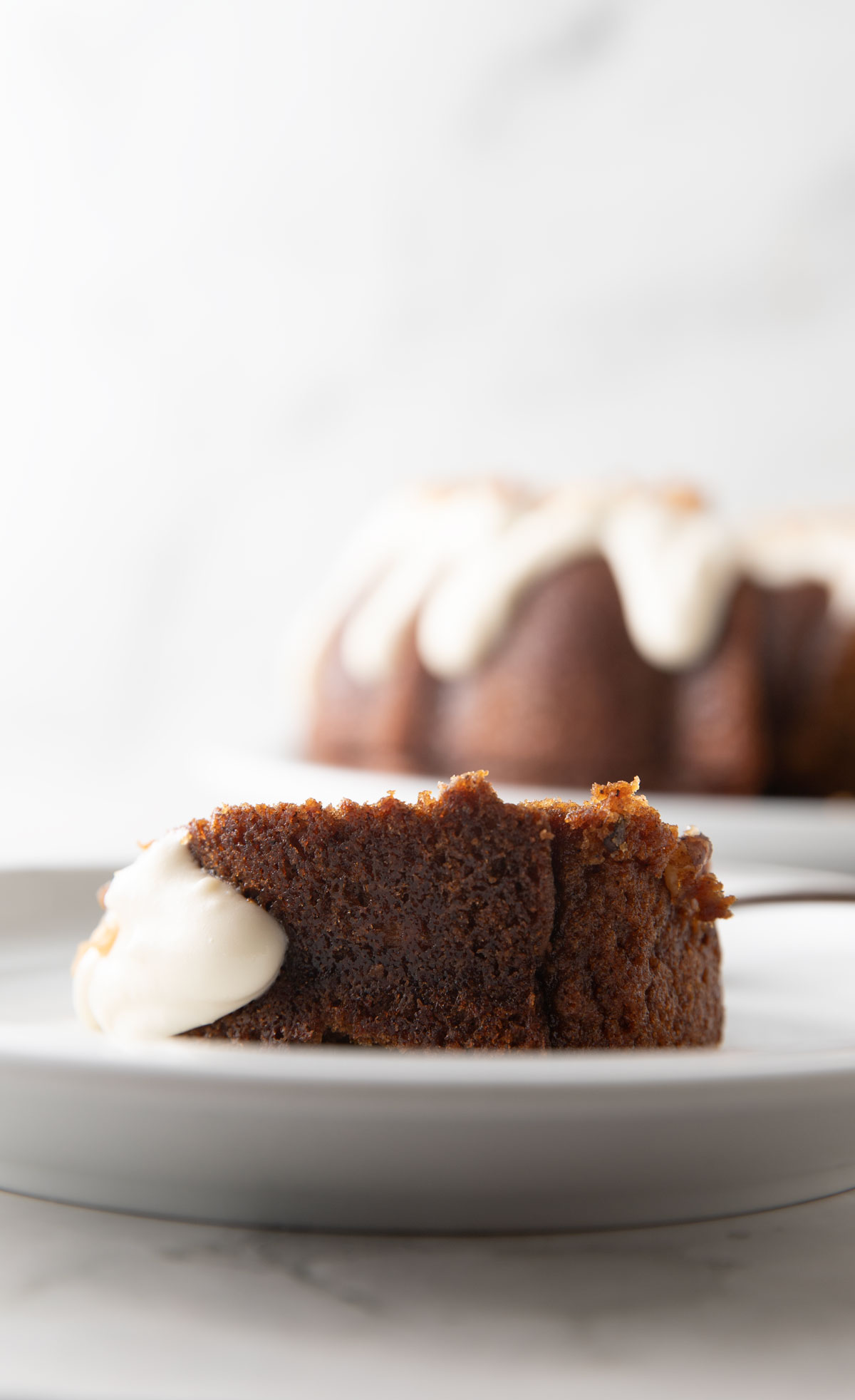
You can probably tell from this article that roasting is my favorite way to cook winter squash. Roasting caramelizes the natural sugars and concentrates the flavor.


