
Peach Juice
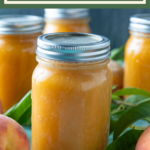
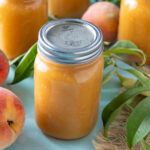
If you want to capture the pure essence of peaches in a glass, then peach juice is the way to go. Make peach juice or peach nectar with ease at home!

Making fresh peach juice at home ensures you get all the nutrients without added sugars or preservatives. It’s a great project to help you reduce waste and process a lot of peaches at once to preserve them for later use.
Whether you have peach trees at your house or purchase them in bulk from a farmer’s market or farm stand, making your own peach juice can save you a lot of money and reduce your carbon footprint. Most commercially available brands of peach juice are imported from Greece, incurring shipping costs overseas!

Best Types of Peaches to Use
Peaches come in 3 major categories: Freestone peaches, clingstone peaches, and white, donut peaches.
Freestone peaches refer to peaches where the pit, or stone, separates easily from the flesh. They are ideal for most culinary uses since they are easy to work with. Some popular freestone varieties are Elberta, Redhaven, O’Henry, and Georgia Belle.
Clingstone Peaches are varieties whose flesh “clings” to the stone, making them a bit more challenging to pit than freestone varieties. However, they are often sweeter and juicier. Some popular varieties are Spring Snow, Santa Rosa, and Garnet Beauty.
Donut (or Saturn) Peaches are flat, round peaches that resemble a donut. They are often sweet and less juicy than other types. These are best used for eating fresh or in salads. They tend to be less juicy and have less flavor than traditional peaches.
Both freestone and clingstone peaches can be used for juice. Taste the individual variety and determine its juiciness and sweetness.
What you need
- Peaches: Choose fresh, ripe peaches that are in season for the best flavor.
- Optional sweetener: sugar, sugar substitute, maple syrup or honey. Your taste and the sweetness of the peaches you use will determine the amount you add.
- Optional variations: Add other fruits to make a fruit cocktail. Fresh mango, strawberry, raspberry, oranges, apple juice, or other fruits will work.

How to make it

Wash the peaches well. Gently rub off any peach fuzz.

Cut the peaches. Remove any bruised areas with a paring knife. Remove the pit.

Set up a juicing station. Place a large bowl under the spout where the juice will be extracted and a small bowl to catch the skins.

Place the pieces into the hopper of your juicer. if your peaches are oxidizing very quickly, add citric acid, according to the manufacturer’s instructions, or soak the peach slices in a bath of cold water and lemon juice for about ten minutes.

Push the peach slices through the juicer. Collect the juice in a large bowl.

Run the skins through at least twice to extract as much juice as possible.

Strain the juice through several layers of cheesecloth if you’d prefer juice without pulp.
What is the difference between peach juice and peach nectar?
The difference boils down to the consistency and the taste. Peach nectar has the pulp. It is thicker in consistency and has a smoother flavor since it has pulp. Peach juice is essentially the peach nectar that has been strained to remove the solids.
Peach juice would be better for refined cocktails, like mimosas or bellinis, while peach nectar would be better for your breakfast smoothie.
When are peaches ripe?
Peaches have a long season. That can range from May and June in southern regions to June through September in the north, depending on the specific variety.
Make peach juice when peaches are slightly soft and have a fragrant, sweet aroma. Avoid peaches with blemishes or that have a mushy texture. Also, avoid hard peaches. These will have less juice.

How to Store Fresh Peaches
Unripe Peaches:
- Countertop: If your peaches are still hard and not yet ripe, leave them at room temperature on the countertop in a single layer to avoid bruising. Keeping them stem-side down can also help prevent bruising. They’ll ripen over several days.
- Paper Bag: Place the peaches in a paper bag to speed up ripening. The bag traps ethylene gas produced by the fruit, which accelerates ripening. You can also add apples or bananas to the bag. This increases the amount of ethylene gas and they ripen in less time.
Ripe Peaches:
- Refrigerator: Once your peaches have ripened, move them to the fridge to slow the ripening process and extend their freshness. Store them in the refrigerator for up to a week, but it’s best to consume them within a few days for optimal flavor.
- Do not store unripe peaches in the fridge, as the cold temperature can interfere with the ripening process, making peaches less flavorful and have a mealy texture.
Overripe or Cut Peaches:
- Refrigerator: If your peaches have become very soft or if you’ve cut into one, store it in the fridge in a sealed container to prevent it from becoming moldy or spoiling. Use it within 1-2 days.
Long-term Storage:
- Freezing: If you want to store peaches for an extended period, consider freezing them. First, wash, pit, and slice the peaches. Blanching them briefly in boiling water can help preserve their color and flavor. Place the slices on a parchment-lined, rimmed baking sheet to freeze individually, then transfer them to airtight bags or containers to store in the freezer.
- Dehydrating: Dehydrate peaches to preserve their flavor for sauces, baked goods and more.
General Tips:
- Avoid Stacking: Peaches are delicate and can bruise easily. Store them in a single layer on the countertop or the fridge.
- Check Regularly: Peaches can turn from perfectly ripe to overripe very quickly. Check on them daily, especially if they’re at room temperature, and eat or refrigerate them as needed.
How to Store Peach Juice
Immediate Storage:
- Refrigeration: After juicing, transfer the peach juice to a clean, airtight container or bottle, leaving minimal air space at the top. Refrigerate immediately. Use the juice within 2-3 days for the best flavor. However, appropriately refrigerated juice can last up to 5-7 days.
Long-Term Storage:
- Freezing: For longer storage, consider freezing your peach juice. Pour the peach juice into ice cube trays or silicone molds. Once frozen, transfer the cubes to airtight bags or containers. This way, you can easily use the amount you need without thawing the entire batch. Use frozen juice in smoothies and drinks. It can be thawed in the fridge or added to a pot on the stove to thaw it and use it in sauces or jams. Frozen peach juice can retain good quality for up to 8-12 months, but consume it within six months for the best flavor. If freezing in containers, leave about an inch of headspace to allow the juice to expand without bursting the container.

Preserving:
- Canning: Another method for longer-term storage is canning. This involves pouring the peach juice into sterilized jars, leaving appropriate headspace, and processing them in a water bath or pressure canner. This method will allow you to store the juice at room temperature for an extended period. However, following proper canning guidelines and procedures is important to ensure safety.
How do You Can it?

Heat the juice to boiling. Ladle the juice into warm canning jars.

Remove any air bubbles with a non-metallic tool.

Wipe the edges of the jars clean with a damp paper towel.
Get the canner water hot. Wash the jars and lids. Add the clean jars to the canning pot to heat. Once the jars are filled, add them to the canning pot. Bring the water in the pot to a boil. Once the water is boiling, set the timer.
When the processing time is complete, remove the pot from the heat, carefully open the lid, and partially lift it off the top of the canning pot. Let it rest like that for 5 minutes.
Then, remove the lid and let the jars rest in the canning pot for an additional 5 to 10 minutes.
After resting, remove the jars onto a kitchen towel placed on your counter and let them thoroughly cool for 12-24 hours, undisturbed. You may hear the lids pinging sometime in the next hour. This is music to a canner’s ears. It is due to the reaction of the lids being sealed to the jar.
Check the seals. Press down in the middle of the lid. If it flexes up or down, the jar is not sealed and should be refrigerated and used first.
Then, remove the bands. Gently pick up the jar by the lid to check the seal further. Again, if it is not sealed, use it first.
Label jars with contents and the date. Store in a cool, dark place for at least a year. Avoid areas with large temperature fluctuations.
Do not stack jars on top of each other. This can compromise the seals. If you run out of room on your shelf, use a sheet of cardboard or a thin piece of wood and place that on top of a row of jars. Then you can put jars on top of that. This will distribute the weight evenly.
Before using any canned goods, always inspect the packaging and the food itself. Make sure that it looks and smells as it should. If it doesn’t, it’s best to err on the side of caution and discard it.
New to canning? Start with our comprehensive article on “How to Can Everything“. It will walk you through all of the dos and don’ts related to canning.
How to use it
- Smoothies: Blend peach juice with yogurt, other fruits, and some ice for a delicious smoothie.
- Cocktails/Mocktails: Peach juice can be a base for alcoholic and non-alcoholic drinks. Add some champagne or prosecco, and garnish with fresh mint leaves for a delicious peach bellini!
- Tea: Add peach juice to iced tea for a fruity twist.
- Desserts: Make sorbet or popsicles for a fun dessert for the whole family.
- Marinade: Combine peach juice with herbs and spices to create a marinade for poultry or pork.
- Glaze: Reduce peach juice with some sugar and vinegar to create a glaze for grilling.
- Sauces: Make sauces for desserts, meats, and salads by reducing the juice down and adding spices or herbs for flavoring.
- Jelly or Jam: Use peach juice as a base for making peach jelly or jam.
- Peach Syrup: Reduce peach juice with sugar to make a syrup to enjoy on pancakes, waffles, or ice cream.
- Dressings and Vinaigrettes: Mix peach juice with vinegar, oil, and seasonings to make a fruity salad dressing.
More juice recipes
More recipes with peaches
- Peach jam
- Peach jalapeño jam
- Dehydrating peaches
- Peach syrup
- Peach BBQ sauce
- Freezing peaches
- Canning peaches
Helpful tools


Peach Juice
Ingredients
- 8 pounds peaches
- water if needed to achieve the desired texture
Instructions
- Wash peaches well. Gently rub off peach fuzz with your hands. Halve them. Remove the pit with a paring knife.8 pounds peaches
- Chop up the pieces so that they fit in your juicer.
- Add the slices to the hopper. Set up bowls to catch the juice and the skins. We use the Kitchenaid with the vegetable strainer attachment.
- If you don’t have a food mill, mash the peaches or process just a few pulses with your food processor.
- Line your fine mesh strainer with several layers of cheesecloth.
- Strain the mash. Let it strain at least of few hours or overnight.
- Heat up the juice until it begins to boil, and prepare your jars. Ladle hot juice into hot jars, leaving ¼ inch headspace. Remove air bubbles with a non-metallic tool. Wipe the rims of the jars clean with a damp paper towel. Center lid on jar. Screw on the bands fingertip tight.water
- Process pint jars in a boiling water bath canner for 10 minutes, adjusting for altitude. (See altitude adjustment in recipe below).

 See all of my favorite tools and gift ideas on my New Amazon Store!Check out Binky's Amazon Store!
Notes
- Beverages:
- Smoothies: Blend peach juice with yogurt, other fruits, and some ice for a delicious smoothie.
- Cocktails/Mocktails: Peach juice can be a base for alcoholic and non-alcoholic drinks. Add some champagne or prosecco, garnish with fresh mint leaves for a delicious peach bellini!
- Tea: Add peach juice to iced tea for a fruity twist.
- Desserts:
- Gelatin: Use peach juice as a base for making fruit-flavored gelatin.
- Sorbet: Create a refreshing peach sorbet using peach juice, sugar, and an ice cream maker.
- Popsicles: Freeze peach juice in popsicle molds for a simple and refreshing treat.
- Cooking:
- Marinade: Combine peach juice with herbs and spices to create a marinade for poultry or pork.
- Glaze: Reduce peach juice with some sugar and vinegar to create a glaze for grilling.
- Sauces: Make sauces for desserts, meats, and salads by reducing the juice down.
- Baking:
- Muffins and Cakes: Use peach juice to replace part of the liquid in recipes for added flavor.
- Fruit Bread: Add peach juice to bread recipes for a fruity aroma and taste.
- Preservation:
- Jelly or Jam: Use peach juice as a base for making peach jelly or jam.
- Peach Syrup: Reduce peach juice with sugar to make a syrup to enjoy on pancakes, waffles, or ice cream.
- Dressings and Vinaigrettes: Mix peach juice with vinegar, oil, and seasonings to make a fruity salad dressing.
- Facial and Skin Care:
- Face Masks: The vitamins and minerals in peach juice can benefit the skin. Mix it with other fresh ingredients to create homemade face masks.
- Facial Toners: The natural acidity of peach juice can make it suitable for use as a mild facial toner.
- Frozen Storage:
- Freeze peach juice in ice cube trays. Once frozen, transfer to bags and store. Use the frozen cubes in smoothies, cooking, or drinks.
Nutrition
Originally published September 6, 2023. Updated February 10, 2025.
