
How to Start a Garden

This How to Start a Garden series will teach you how to successfully get a great harvest from your vegetable garden, no matter how large. Planning is the first and arguably the most important step.

There are many factors to consider when planning your vegetable garden. Armed with professional information, you can have a successful harvest.
Many of my returning readers know that I earned a degree in Ornamental Horticulture from Cornell University and enjoy growing ingredients for farm-to-table cooking.
I have had several readers request a post to help them be successful growing their own fruits and vegetables. So here is the first part of the series, How to Start a Garden.
Planning your vegetable garden is the place to start. With careful planning, you can have an amazing harvest of fruits and vegetables throughout the growing season and make more fresh, delicious, healthy food for your family.
Here is the garden on May 24th, just after planting.
Steps Involved in Planning Your Vegetable Garden
There are several things you need to do before you can sit down and actually plan, though.
Finding Out Your Soil Type
Determining what soil type you have will help you decide which crops will flourish in your particular soil. There are many ways to find out what type of soil you have.
- Many garden centers will run a soil test at no charge. Some charge a nominal fee.
- State Agricultural Departments are happy to give you a soil analysis for a small fee.
- Online Companies
- Do it Yourself
The 3 important properties of your soil to test are pH, moisture, and nutrient levels. Having access to this information will not only help you pick the crops best suited to your garden soil, but also save you money on unnecessary fertilizers and soil amendments.

Determining Your Gardens’ Orientation
After determining your soil type, determine the direction your garden faces. Mine is planted north to south. You can plan your garden plot that is also laid out east/west, with some modifications.
Why is it important to know this? In the Northern Hemisphere, the sun is stronger in the south than it is in the north; therefore, you want to plan your garden so that the tallest plants are on the North side of the garden. This way they won’t block the sun from the next row further south. (Reverse this for the Southern Hemisphere. Closer to the equator, it won’t matter)
It’s important to keep in mind that most garden fruits, veggies, and herbs require full sun. There are a few crops that will tolerate partial shade, such as lettuce, chives, and a few others.
Orientation will help you with productivity and insect/ disease management throughout the growing season.
How do you determine your garden’s orientation? There are 2 ways.
- A simple compass (Your car probably has one!)
- Observe where the sun rises and sets. (Sun rises in the East and sets in the West; this will give you an approximation.)
Once you have these two major pieces of information, you can move on to choosing plants for your garden.

Choosing Which Crops To Plant When Starting A Garden
There are, again, several factors to consider when you are deciding which crops you want to plant
- Size of garden plot: How much room do you have in your yard to devote to a vegetable garden?
- Ultimate size of crop plant: Find the height and width of the crop plant you’d like to grow.
- Sun requirements of each crop: Most vegetables need at least 6 hours of direct sunlight daily, while a few crops tolerate partial shade.
- Moisture requirements of each crop: Crops with similar water needs should be grouped together.
- Fertilization requirements of different crops: Some crops are considered heavy feeders, meaning they require more frequent fertilization. These should also be grouped together.
All of the factors above will determine which, and how many of each vegetable, you should consider growing, and where to place them in your garden. Crops that thrive in similar light and moisture requirements will ultimately be healthier and produce more than crops that are misplaced.
Deciding how big a garden you want to deal with is the first step. My advice, and heed it well, is to go small and work your way up in later years.
Gardens are a lot of work. It will take you time and experience to learn which weeds you can let grow a little bigger before you need to weed, how much to water, how much to fertilize, and to monitor your plants for insects, pests like woodchucks, rabbits, and deer, and diseases. Start Small!
A 100-square-foot garden will take at least one hour to maintain. That is a 10×10 garden plot. So calculate carefully.
You will not be able to grow every fruit and vegetable that you love to eat in your home garden at first. (That is why farmers’ markets exist.)
How Much Sun Does a Vegetable Garden Need?
Most fruits and vegetables require at least six hours of full sun per day. There are only a few exceptions, namely, lettuce, peas, and chives, that can tolerate less sun.

Crops That Can Be Challenging for Beginners
Heavy Feeders
- Corn
- Cabbage family (cabbage, broccoli, cauliflowers, brussels sprouts)
- Celery
- Pumpkin
- Beets
- Tomatoes

Insect and Disease Magnets
- Corn
- Tomatoes
- Cabbage family (cabbage, broccoli, brussels sprouts)
- Cucumber
Large Crops that Require a Big Garden
- Corn
- Watermelon and other melon varieties
- Certain of the squash family, ie, Birdhouse Gourds
- Cabbage family (cabbage, broccoli, brussels sprouts)
Notice how some crops made it to all 3 lists above. My best advice is to stay away from them at first. This is not to say that you can absolutely NOT plant them, just know they will take extra care.

Watering Requirements
You can find the moisture requirements of every crop you grow, either online or on the package of seed. They will say things like
- Requires well-drained soil
- Will tolerate heavy soils
- Keep evenly moist
Position plants that like the same amount of water near each other, to avoid overwatering some and letting others dry out too much.
Peppers, for instance, require less water than tomatoes, so the best practice would be to separate the two.

Fertilization
Just as with watering, it is a good idea, when planning your garden, to group heavy feeders and light feeders in adjacent locations. That way, you can fertilize your heavy feeders without overfertilizing the light feeders.
The choice of fertilizer you use is up to you. There are 3 basic types of fertilizers;
- Natural, ie, aged animal manure, food scrap compost, etc.
- Commercially available Organic
- Inorganic, man-made chemicals

Crop Rotation
Crop rotation is the practice of rotating crops in the garden from year to year. It is good practice, to say the least. Rotating your crops will help you maintain healthy soil and reduce the spread of insects and diseases from year to year.

Companion Planting
Companion planting is another horticultural practice that places groups of plants that benefit from each other in certain ways, which will, again, increase your crops’ yield.
The benefits could include improved growth, increased yield, attracting predators of common pests, and repelling pests, to name a few.
Examples of Companion Plants Include;
- Carrots and Radishes
- Tomatoes and Basil
- Cucumber and Nasturtium
- Lettuce and Chives

How Many Plants to Grow to Feed Your Family
Obviously, the size of your family and the amount you can eat in a given period are major factors here. The other consideration that you may not think of is how much a single plant of a variety will produce.
This, coupled with how much room your crop will take up in the garden, can help you determine it when Planning Your Garden.
Certain food crop groups are very prolific yielders. (The above photo is summer squash that got away from me and was too large to eat. Make squash relish.)
The first thing that comes to mind is the squashes. 3-4 healthy squash plants can literally yield hundreds of fruit. Plant these sparingly.
For my family, this is plenty, because summer squash (yellow and zucchini) is more difficult to process and has fewer uses, as it doesn’t freeze well, although I do freeze zucchini for use in baked goods.

Can I Use a Raised Bed Garden?
Raised gardens are great for older people who cannot bend as far or as long to weed and maintain their gardens.
They are also great for individuals with poor soils that are overly clayey (and therefore don’t drain), sandy (and require excessive watering), or low in nutrients and organic matter.
They are perfect for singles, couples, and small suburban lots.
Add quality garden soil and plenty of organic matter, such as compost, to create a productive raised bed. I could do an entire post on soil mixtures and will in the future.

Container Gardens
There are several advantages to container gardening for planting your vegetable garden
- City dwellers
- Singles or couples
- They are totally portable from year to year
- You can rotate crops from year to year to reduce feeding and pest pressure.
- You can grow them right outside your door, with enough sun.
- Easy watering.
- Easy maintenance, ie, weeding.
Here is an infographic depicting a garden layout. Notice the use of a trellis or fences for the cucumbers and companion planting. You can use a teepee for pole beans.

Summary of How to Start a Garden
Now that you have all of the information you need, grab a sheet of graph paper and a seed catalog, and plan away. Draw each crop on the graph paper to scale. Do not overcrowd.
Leave paths so that you have access to each plant to maintain and harvest the fruits of all of your labor. There are a couple of online sites that offer a garden planner. I made the above plan in about 15 minutes at The Old Farmer’s Almanac.
It is easy to use and free. If you buy a subscription, it will email you planting reminders and other important tasks. It will also help you with companion plant grouping and crop rotation, year after year, among other things.

Delicious Recipes to Make with the Produce from Your Garden

See the next installment of our gardening series, Vegetable Garden Preparation.
I hope this article for How to Start a Garden, Planning was helpful to you.
Tools I Use to Start a Garden
Contains affiliate links, for full disclosure, see FTC Disclosure, here.
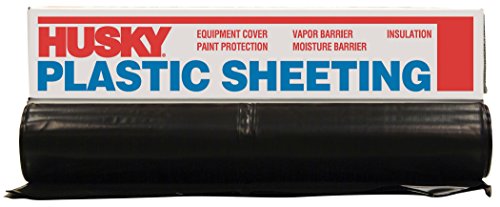
- Garden Plastic (be sure you have a source to recycle it!): Helps warm the soil, suppress weeds, and conserve moisture during the growing season. Be sure to recycle it when possible.
- The best weeding tool on the planet: The pointed blade makes it easy to slice weeds, open seed furrows, hill potatoes, and work between closely spaced vegetable crops. One of my favorite tools for keeping a garden weed-free.
- Rototiller: Useful for breaking up new garden ground and incorporating compost or other soil amendments before planting.
- Wheelbarrow

How to Start a Garden; Planning
Ingredients
- 1 no materials required
Instructions
- How to Start a Garden; Planning tips
- Find out your soil type.
- Determine your gardens’ orientation.
- Choose crops carefully.
- Crops to avoid planting.
- Avoid heavy feeders
- Avoid insect and disease magnets
- Don't plant large crops that too big for your garden
- Plan how you will deliver water
- Determine which fertilizer you prefer.
- Rotate crops every year.
- Plan a system for companion planting.
- Determine how many plants you need to grow to feed your family.
- Consider using raised garden beds?
- Plant certain crops in container gardens.



 See all of my favorite tools and gift ideas on my New Amazon Store!Check out Binky's Amazon Store!
Notes
This post may contain affiliate links, which means I get a small commission if you click the link and purchase something, at no additional cost to you. See FTC Disclosure, here.
Originally published 6/10/2019


