
Garden Maintenance


Proper garden maintenance helps keep plants healthy and productive throughout the growing season. This guide covers watering, fertilizing, weeding, mulching, pest management, and disease prevention for a successful vegetable garden.

Table of contents
Without a properly maintained garden, all of the work you have put into your garden, including Planning Your Garden, Preparing Your Garden, and Choosing Plants and Planting Your Garden, will have been for naught.
A properly maintained garden will produce a significantly higher yield than a garden that has been forgotten about until it is time to harvest. Regular garden maintenance will save you time and greatly increase your yield.
Make yourself a weekly checklist of chores and stick to it.
|
Task |
Frequency |
|---|---|
|
Check soil moisture |
Daily in hot weather, or after 5 rainless days |
|
Weed garden |
Weekly or as needed when young weeds sprout |
|
Inspect for pests |
Weekly |
|
Ispect for diseases |
Weekly |
|
Fertilize heavy feeder |
Weekly |

Watering the Garden
Watering your garden is one of the most important aspects of garden maintenance.
The decision to water your garden, or wait, will be answered, mostly, by the plants themselves. If your plants are badly wilted, it is time to water before it is too late.
If only a few plants are wilted, you can probably wait until late in the day or the next morning to water. Know that in the heat of the day, many crops, like squash and cucumbers, may look a bit wilted. Even if you don’t water, if you go out in the evening, they look perfectly fine. So a little wilt is usually ok.
You should avoid watering during the heat of the day whenever possible, unless you are using drip irrigation (more below). Overhead watering, when the sun is high in the sky, can cause the leaves to burn.
Peppers, especially hot peppers, do well in arid climates and will drown if they receive the same amount of water you give cucumbers, for instance.
Timing
Overhead watering, in particular, should be done early in the morning or in the evening, after 5 pm.
Don’t water too late in the evening, because you want the leaves to have a chance to dry out before dark, or you could invite fungal diseases.

It goes without saying that in a wet year the garden will require less water than in a hot, dry year.
The best water for your plants is natural rainfall. It contains no chlorine or any other chemicals, so plants inevitably perform better.
In the horticultural business, we refer to our jobs as the “too” business. As in, it is either too hot, too cold, too wet, too dry… Some years, that is very accurate.
Mother Nature is not always a friend to gardeners around the world, so you have to be adaptable.
In the northeast, as a general rule, if we get rain during the day or at night, I will hold off on watering. In many growing seasons, the garden needs very little supplemental water, except for the hottest times in August and early September.
Certain crops will suffer if the moisture level varies drastically. Tomatoes that have not had water for a long time and then get a lot of water will split and crack. It is best to try to keep the moisture levels as consistent as possible to have a perfect fruit.
Drip Irrigation
Drip irrigation is the practice of applying small amounts of water to specific areas, using special pipes. Like everything, drip irrigation has pros and cons.
The Pros.
- Drip irrigation is great in hot, dry climates, where water is costly or rationed.
- There is less water lost to evaporation than there is with overhead watering.
- It can be applied at any time of day without adversely affecting the plants.
- Drip irrigation can be placed on timers, so that they are virtually hands-off. Make sure to buy timers with rain sensors so they do not water when it has rained, or you may overwater your garden.
- Drip irrigation can be set up in “zones”. This is where you schedule less water for crops that require less, and more for those that require it. See the post for Planning Your Garden, for more information about crop placement.

The Cons.
- Drip irrigation is more labor-intensive to set up. It could take, literally, hours to set up a drip irrigation system in a garden.
- Setting up drip irrigation can be costly, initially, but you can reuse it year after year if stored properly for the winter.
- Monitoring each plant along a drip irrigation line to ensure it is receiving adequate moisture may take time and effort.
- Setting up a drip irrigation system can be complicated and is best designed by a professional.
For more information on setting up a drip irrigation system, this is a great tutorial from The Art of Doing Stuff

Overhead Watering
The Pros
- Overhead watering is initially cost-effective for the equipment. If your water is expensive, this advantage may be irrelevant
- Overhead watering doesn’t take any custom knowledge or know-how.
- You can use a timer with a rain gauge and overhead watering, as well. The length of time the water remains on will need to be adjusted based on the season’s heat levels.
The Cons
- Overhead watering is a huge water waster. Much of the water will end up on paths, and a lot will evaporate, especially in very hot, dry weather.
- Overhead watering can result in one crop being underwatered and another being overwatered, since there is less control over the water placement.
- It takes more effort throughout the season to monitor whether individual crops are receiving their optimal water requirements.

Weeding
Weeding is another important part of Garden Maintenance. Weeds rob nutrients and water from your crops, and some weeds are quite aggressive.
Weeds that are viney can choke out your garden crop. It is important to keep on top of them.
Pre-emergence Weed Killers
In larger gardens, it can be beneficial to treat the area with a pre-emergent at the start of the season. Pre-emergent weed killers kill only weed seeds in the soil.
They will not affect perennial weeds or existing weeds that have already sprouted. Do not use a pre-emergent in areas of the garden that are to be planted with seeds. Such as carrots and radishes.
Do not apply it “uphill” of areas that are to be planted by seed. (The water from watering or rain may allow the chemical to travel down to those areas.)
Mulching
Adding a layer of mulch can assist with weed control and maintain good soil moisture. Some great options to use for mulch are straw, well-aged mulch, sawdust, grass clippings, and others.
Hand Weeding
I have a few tools that I use for hand weeding. I will link them below.
The key to hand weeding is to do it continuously throughout the season. Smaller weed plants are easier to remove than larger weeds. If you let weeding get away from you, you will be sorry.

Fertilization
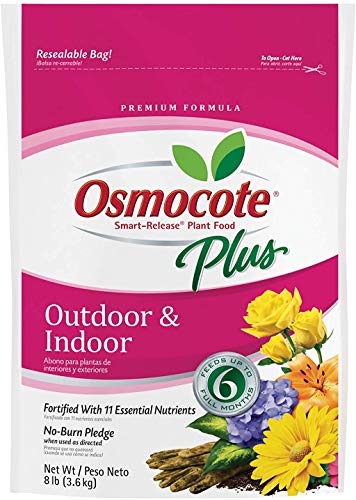
Whether you choose organic or non-organic fertilizers, it is important to follow the package directions. Different soil fertilizers will have different longevity in your garden.
Many vegetable crops are what are referred to as “heavy feeders”. Among these plants are corn, tomatoes, cucumbers, rhubarb, and anything in the cabbage family. (Brussels sprouts, cabbage, broccoli, etc.)
“Low feeders” require less fertilization. These include peppers, herbs, chives, most root vegetables (parsnip, carrot, radish, leek, onion)
Heavy feeders, as the name implies, will need extra fertilization throughout the year. Organic fertilizers tend to have a shorter effective life than inorganic fertilizers. Some fertilizers are time-release, so that less fertilizing is required.

Insect and Pest Control
This is an extra broad topic. There are so many insects and diseases out there; they are actually two whole separate fields of study.
Entomology and Plant Pathology. For this reason, it is difficult to do an even partially comprehensive discussion on either topic in a 2000-word article, but it is an essential part of proper garden maintenance.
Instead, I will list some of the more common pests by crop that affect common vegetables. This list will be quite accurate for the Northeastern US, but it may not apply to crops elsewhere in the world.
Common Insect Pests, by Crop
Another important skill in Garden Maintenance is being able to identify what problem your particular crop is having.
- Tomatoes
- Aphids, Cutworm, Flea Beetles, Tomato Hornworm. Here’s a good article regarding organic controls of Tomato Pests by Plant Natural.
- Cucumber
- By far, the most damaging and common pest of cucumbers is the cucumber beetle. They can also be affected by aphids and white flies. Here’s a control article by Arbico Organics
- Peppers
- Peach Aphid, Beet Armyworm, European Corn Borer. This is a good article regarding organic controls of pepper pests from SF Gate.
- Lettuce
- Aphids, Thrips, Leaf Miner. Slugs can be a real problem in wet years. Good article regarding organic controls of pepper pests from Gardening Know How
- Cabbage Family (broccoli, brussels sprouts, cabbage)
- The cabbage family is susceptible to a plethora of insects. That is one reason that I do not suggest trying these for a novice or brand-new gardener. They can make even the most seasoned gardener rip their hair out. Some of the most common include;
- Aphids, several Cabbage worms, Cabbage looper, Armyworms, and Cutworms. Article for control from Entomology Department U Kentucky
**NOTE** Many of these common insects can be controlled by natural insect predators. Please research predator efficacy before spraying commercial insecticides. Here is a good article on beneficial insects and how to attract them from Organic Lesson.
REMEMBER. It is crucial not to spray insecticides after investing in beneficial species. The insecticides will kill them, too. Here is an extensive list from Plant Natural. I will link to other sources below to buy them.

Common Diseases of Vegetables, by Crop
Control of most diseases comes from prevention, before the fact. Most of these are related to planting practices and, most importantly, choosing resistant cultivars.
- Tomatoes
- Blight, Leaf Spot, Mosaic virus, Verticillium Wilt. Here is a good article on disease control from The Spruce.
- Cucumber
- Phytopthora, Bacterial wilt, Angular leaf spot, Powdery mildew. A good article from Seminis on control
- Peppers
- Damping off, Fusarium wilt, Powdery mildew, Gray mold. Control article Gardening Know How
- Lettuce
- Damping off, Bacterial leaf spot. Control article Gardening Know How
- Cabbage Family
- As with the insects, the cabbages are susceptible to many fungal and viral diseases. Among the most prevalent are Pythium, Downy Mildew, Fusarium, and Black rot. Here is a good article from Clemson Cooperative Extension on control.
It is very difficult for a novice to identify which particular disease affects a plant. Professionals are most often called in.
To help with this aspect of garden maintenance, some Agricultural Universities have consumer help departments that can test for specific diseases. In my experience, many of the diseases are not worth fighting. You just have to give up and remove the affected plants.
Other diseases, like powdery mildew, may devastate the leaves, but the plants may still keep producing, for a while, and it won’t affect the fruit. This is especially true late in the season.
Don’t Get Discouraged
The key thing to remember is that if you have done your research before choosing the varieties you planted, you should have little to no problem with insect and disease infestations, and garden maintenance will be a breeze.
But diseases are more specific to certain growing conditions, if you have a very wet year, certain root fungi are unavoidable, on some crops. If you suspect a crop has failed and there is no hope to revive it, do not be afraid to remove that crop from the garden for that year.
Make sure in subsequent years, you rotate that specific crop to a completely different location. There is always a local Farmer’s Market to supplement that vegetable for that year.
Even experienced gardeners fail, from time to time. Don’t take it personally and try again next year.

Summary for Garden Maintenance
Garden Maintenance is the next step to ensuring a great harvest throughout the summer.
That was a very abridged version of all the things that can go wrong in a garden. Fortunately, most gardeners will only occasionally encounter a few of these problems in any given season.
Be very careful selecting varieties that are resistant and have shown good success in your specific area. Keep your garden weed-free and watered consistently, and you should have no problems.
I never spray insecticides on my garden. It is not that I am vehemently opposed to insecticides, and have been known to spray them on a non-food crop occasionally. And, I have worked in greenhouse situations, where it is sometimes unavoidable.
The reason I don’t spray is that I don’t need to. I carefully choose the cultivars that I plant and maintain the garden properly, and I just don’t have problems.
In the off year that I have a really bad problem with a crop, I eliminate that crop and supplement with the local Farmers Market.
Last year, for instance, I had a cucumber beetle infestation in the pots I planted. I just ripped them out, and this year, I will not plant cucumbers anywhere near those specific pots.
Start small if you are new to gardening. As you gain more experience, gradually increase your garden. You will learn what crops do best in your soil type and climate, and which cultivars perform the best for you.
Common Garden Maintenance Mistakes
- Overwatering
- Most vegetables prefer deep, infrequent watering rather than constantly wet soil. Overwatering can lead to root rot, fungal diseases, and poor plant growth.
- Waiting too long to weed
- Small weeds are easy to remove. Large weeds compete for water and nutrients and can quickly take over a garden.
- Overfertilizing
- Too much fertilizer can produce lush foliage with fewer fruits and vegetables. Follow package directions and avoid the temptation to add extra.
- Ignoring pest damage
- Regular inspections help catch problems before they become infestations. Look under leaves and check plants weekly.
- Skipping Regular Garden Inspections
- I check my gardens nightly throughout the season unless I’m out of town. Inspecting the crops regularly can identify problems early when they are easier to manage.
- Letting Diseased Plants Remain in the Garden
- Diseases spread by both air and water. Failing to remove a diseased plant can allow the disease to spread to other susceptible plants.
Frequently Asked Questions
Water the garden with about an inch of water weekly, except in very hot, dry years, which will require more water. Let the plants tell you. When they need water, you’ll start to see wilting.
Straw and well-aged wood mulch are good choices.
Fertilize heavy feeders weekly. Fertilize other crops 3-4 times per season.
Mulching is a good choice. Commercial weed barriers can be beneficial in large gardens.
Yes, remove diseased plants and dispose of them away from the garden.
I hope this series has been helpful to you. Please, don’t hesitate to ask if you have a question. The comment box below or the contact box on the sidebar will both work. I will answer your question at my earliest convenience.
Continue with the final article in the series, When to Harvest Vegetables and Preserve Your Harvest. That should convince you that it is worth all of the effort to have your own vegetable garden!
If you haven’t read the first 3 articles in this series, here they are Planning Your Garden, Preparing Your Garden Site, Choosing Plants and Planting Your Garden.

Recipes to Make
- Tomato Cucumber Salad
- How to Can Homemade Salsa
- Chicken Stuffed Tomato Bites
- Seafood Fra Diavolo
- Green Tomato Salsa

Tools I Use
Contains affiliate links, for full disclosure, see FTC Disclosure, here.
- Beneficial Insects: Natural predators such as ladybugs and lacewings can help control aphids and other garden pests without the need for chemical sprays.
- The best ever garden weeder: A quality hand weeder makes quick work of dandelions, thistles, and other weeds before they have a chance to spread through the garden.
- Pre-emergence weed killer: Pre-emergent products help prevent weed seeds from germinating, reducing the amount of hand weeding needed throughout the growing season.
- Wheelbarrow: A sturdy wheelbarrow is one of the most useful tools in any garden for hauling mulch, compost, soil, weeds, and harvested produce.
- Hand tools: Basic hand tools such as trowels, cultivators, and hand forks make planting, weeding, and general garden maintenance much easier.


Garden Maintenance
Ingredients
- 1 Fertilizer
- 1 fungicide or insecticide if required
Instructions
- Watering The Garden. Choose from drip irrigation or overhead watering. See post for suggestions and explanation.
- Weeding Your Garden. Pre-emergence weed killers can cut down on maintenance. Hand weeding, machine cultivating. See post for more information.
- Fertilization. See post for suggestions for types of fertilizers
- Insect and Pest Control. For helpful suggestions to identify and control insects and diseases in your garden, see post.


 See all of my favorite tools and gift ideas on my New Amazon Store!Check out Binky's Amazon Store!
Notes
This post may contain affiliate links, which means I get a small commission if you click the link and purchase something, at no additional cost to you. See FTC Disclosure, here.


Hi, I like your post really I have read first-time Thanks for sharing keep up the good work.
Thanks Sunil. Glad it was helpful for you!