
Dogwood Jelly
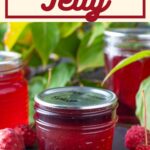

This Dogwood Jelly is made with the edible fruit of the Kousa dogwood tree. It is a bit floral and has a delicious, slightly tart flavor.

What are dogwood trees?
Dogwoods, commonly referred to as cornels, are a fairly large genus that consists of small trees and shrubs. There are several native species in the Northeast and they are a favorite forage for wildlife and birds alike.
The Kousa dogwood (Cornus kousa) is otherwise known as Japanese dogwood or Chinese dogwood. Kousa dogwood is a species introduced into New York State from Asia, namely China, Japan and Korea, that is known for it’s Spring “flowers”. (These are technically not the flowers but they are considered bracts. The flowers themselves are barely noticeable, contained within the showy white bracts.)
They are a midsized, usually multi-stemmed tree that has appeal all season long. The summer fruits are bright red and very attractive. The fall color is a spectacular, bright red. Even in the winter months the bark has a beautiful, multi-multicolored appearance, due to exfoliation.
It’s considered one of the perfect home landscape species due it’s resistance to insects and diseases, it’s small size, drought tolerance, light and shade tolerance and the above mentioned year round appeal.

Like all of the dogwoods, Kousa fruits are edible. The skins of the fruit (technically considered a drupe) are fairly tough and it has seeds that are on the large size, but the actual edible fruit is somewhat gelatinous and the flavor resembles lemons, or even mangos, with a sweet flavor.
While most folks just leave them for the birds to devour, (which they will) we like to make a few dogwood recipes when they are ripe. The most beloved is this dogwood jam or jelly.
This Kousa dogwood fruit, like all red and purple fruits contains anthocyanin, which may possess health benefits since they are antioxidants. “The fruits are also used in traditional Chinese medicine as an anti-inflammatory, an aid to cleansing the liver, and an ingredient to help improve energy levels.“
Sadly, after cooking, you lose many of these natural health benefits.
New to canning? Start with our comprehensive article on “How to Can Everything“. It will walk you through all of the dos and don’ts related to canning.
What you need
- kousa dogwood fruit – remove the stems.
- water
- sugar
- lemon juice- use bottled lemon juice.
- pectin- use classic pectin, not low sugar.
- spices are optional but nice for a change, like, cinnamon, nutmeg or cloves

How to make it
How to prepare the fruit
Step One
Wash the fruit well under running water to remove any dirt or debris.
Use only the good berries, free from blemishes, bright colored and a bit soft when you lightly squeeze them.

Step Two
Add fruit to a large saucepan and barely cover with water.

Step Three
Bring to boil. Reduce heat to low heat. Simmer for 5 minutes.
Notice the color will bleed from the fruit into the water.

Step Four
Mash with a potato masher. The goal is just to smash the fruit enough get the flavorful juice out of the fruit.

Step Five
Strain through a fine mesh strainer to remove the fruit solids or pulp.

Step Six
Cover the small strainer with a few layers of cheesecloth.

Step Seven
Strain the juice again to remove some of the sediment.
Don’t be too concerned if there is still a bit of sediment left.
It won’t effect the flavor.

How to make the jelly
Wash canning jars and rinse with very hot water. Heat jars before adding hot jam.
Step Eight
Add juice back to the cleaned pot.
Add pectin combined with a ¼ cup of sugar to a small bowl and mix well.
Then add it to the juice in the pot.
Bring to boil over high heat.

Step Nine
Once boiling, add the rest of the sugar all at once.
Stir continuously. Bring it back to boil that can not be stirred down.
Continue to boil for one minute.
Skim off foam, if needed.

Step Ten
Ladle jelly liquid into hot jars, immediately, leaving ½ inch headspace. (the space between the jam and the top of the jar).
Remove bubbles.
Wipe jar rim with a damp paper towel or a moist cloth kitchen towel.

Center lids on jars. Screw on bands fingertip tight. Add jars to water bath canning pot. Bring the water in the pot to a boil.
When boiling, start timer and process for 10 minutes. Remove the canning pot from heat. Let jars rest in hot water for five minutes. Then remove to the counter and leave undisturbed for 12 to 24 hours.
Test lids for seal. Press in the center of the lid. If it flexes up or down, it has not sealed and should be stored in the refrigerator and used first.

How do you use dogwood jelly
Dogwood jelly is great on so many things. Some of our favorite uses are;
- On crackers or bagels with cream cheese, goat cheese or a nice aged brie cheese.
- Topping for ice cream.
- Flavoring or filling for cakes, muffins, pies or cookies.
- Great on charcuterie boards or grazing platters and other meat dishes.
- Delicious on pancakes, waffles and French toast.
- Add it to flavor yogurt or cottage cheese.
- Adds a wonderful floral note to cocktails and mocktails.
- Give them as hostess or holiday gifts.
The National Center for Home Food Preservation and the National Institute of Food and Agriculture. All of the recipes on this site are based on one or both of these trusted sources. We just do a more thorough job showing you how to do it, step-by-step.
More homemade jelly
Helpful Tools
This dogwood jelly is a delicious kousa dogwood fruit recipe that the whole family will enjoy. Such a special delicacy for many occasions.


Dogwood Jelly
Ingredients
- 4 cups Kousa dogwood fruit
- 4 cups water
- 2 tablespoons lemon juice
- 4 tablespoons classic pectin see recipe notes
- 4 cups Sugar
Instructions
- Prepare canning jars and lids by washing and heating them before starting the jelly. Get your canning pot on the stove preheating.
- Wash the fruit well.4 cups Kousa dogwood fruit
- Cover the fruit with water (about 4 cups of water). Bring to a boil. Reduce heat. Simmer 5 minutes. Notice the color will bleed from the fruit into the water.4 cups water
- Mash with a potato masher. The goal is just to smash the fruit enough get the flavorful juice out of the fruit, not macerate it.
- Strain through a fine mesh sieve to remove the solid pulp.
- Cover the sieve with a few layers of cheesecloth.
- Strain the juice again to remove some of the sediment.Don’t be too concerned if there is still a bit of sediment left.It won’t effect the flavor.
- Place the strained juice in a stockpot with the lemon juice (You should end up with 5 or just over 5 cups of liquid). Mix the pectin with ¼ cup of the sugar. Stirring constantly, bring the mixture to a rolling boil that cannot be stirred down.2 tablespoons lemon juice, 4 tablespoons classic pectin
- Then add the rest of the sugar all at once. Stir constantly until the jelly comes to a full rolling boil again. Boil for one minute. Remove from heat.4 cups Sugar
- Ladle hot jelly into hot jars leaving ¼ inch headspace. Remove bubbles if necessary.
- Wipe the rim of the jars clean with a damp paper towel to remove any debris.
- Center the lid on the jar. Screw on the bands fingertip tight.
- Process jars for 10 minutes, adjusting for altitude. After processing is complete, let jars rest in the hot water for at least 5 minutes so that they cool slowly. This will eliminate siphoning.
- Remove jars to the counter and leave undisturbed for 12-24 hours until fully cooled. Check seals. Push down the center of the lids. If they flex, they are not sealed and should be stored in the refrigerator and used first.Store jars in a cool, dark place for at least one year.


 See all of my favorite tools and gift ideas on my New Amazon Store!Check out Binky's Amazon Store!
Notes
- The color of your fruit blooms will affect the color of the jelly. Use ripe, tender fruit.
- Since the jelly is processed for more than 10 minutes, there is no need to use sterilized jars.
- This recipe is fine for a water bath canner.
- Use fruits that have not been sprayed with any chemicals, insecticides or inorganic fertilizers.
- Dogwood jelly is delicious on toast or a bagel with butter. It will transport you back to spring in the middle of winter.
- It makes an amazing peanut butter and jelly sandwich.
- Top a cracker or English muffin with some cream cheese and a dab of jelly.
- Use it as a condiment for your grazing platters. It’s especially good with soft cheeses like brie, camembert, goat cheese or queso fresco.
- Use it as a filling for your favorite desserts, such as, cookies, cakes and cupcakes.
Nutrition
Originally published February 1, 2023.


Hello
My jelly turned out perfectly!
Can it be frozen in the jars?
I’m glad it turned out well. If you used this recipe, I don’t recommend you freeze it. You need to use freezer pectin or the texture will suffer and it will get runny when it’s thawed. Did you water bath can it? If so it has a shelflife of at least 12 months.
Should I be worried that the color of mine is more of a deep orange then the vibrant red in the recipe pictures ?
Not at all. It will just depend on the ripeness of the fruit. Let us know how it turns out, Ed!
It’s the first time making this recipe. I say that to say, I followed the recipe exactly . . . I have soup. Not even syrup consistency.
Did you use the full four cups of sugar, Carol?
any measurements for this recipe would be helpful
The measurements for the recipe are in the recipe card, James. At the very top, under the title is a large black box that says “Jump to Recipe.” That will get you there fastest.
My dogwood trees are loaded this year so I thought I would give it a try. Super easy to make, beautiful color and delicious! Printing out the recipe for future use. Definitely giving jars out for Christmas! Made 10, 1/4 pints
We’re so glad that you like it David! Thanks for letting us know.
after the fruit goes thru straining and the jelly bag – how much liquid will I have?
recipe says 4 cups of water…. is this to barely cover the berries.? or does the 4 cups of water come in somewhere else?
thanks …Karen
There should be 5 to just over 5 cups of liquid. The original 4 cups of water that you boiled the fruit in and the fruit juice.
When you say “Place the strained fruit in a stockpot with the lemon juice” you must mean place the JUICE from the strained fruit in a stockpot, yes?
Sorry. Yes. We’ll correct that. Thanks for catching that!
This is such a unique recipe! I made both the regular and the lower sugar versions as my dogwood tree has so many berries, and both are amazing. I was worried before adding the lemon juice and sugar as it tasted like a weird herbal tea, but it turned out so good. I also added some vanilla and cinnamon. Highly recommend!
We’re so glad you liked it! Thanks Jenn!
having trouble getting the jelly to set going strictly by the recipe any suggestions
Usually, when jelly doesn’t set, it’s in your measurements. Too much liquid, not enough pectin. Or you under or over processed the jelly. You can try to re-can it. Use low sugar pectin and heat the jam again. 4 cups jam, ¼ cup water ¼ cup sugar, 2 tablespoons lemon juice, 4 teaspoons pectin. Use new lids and reprocess for 10 minutes. If all else fails, use it as a syrup for desserts, ice cream, etc.
not sure what happened with mine but was really bitter, maybe my berries needed to ripen more?
That could certainly be it. If the fruit isn’t ripe, it has a very astringent flavor.