
Goose Sausage



Goose sausage is a unique and delicious addition to any meal, but it’s also a sustainable option for utilizing the meat from your wild game hunting trips.

What Types of Geese to Use
While all geese are technically edible, some are better suited for sausage making than others.
- Canada Geese: This is one of the most popular types of geese used for making sausage due to its meaty and flavorful meat.
- Snow Geese: Another popular option, snow goose meat is lean and has a slightly gamey taste, which can add depth to your sausage.
- Greylag Geese: This breed of goose is known for its large size and meaty texture, making it an excellent choice for sausage making.
- Domestic Geese: If you don’t have access to wild goose meat, the domestic goose is a readily available alternative that can be used to make delicious sausage.
What you Need
- Goose meat: Use breasts or thigh meat. Clean it well. Remove any bird shot, skin, fat, or connective tissue before grinding.
- Pork: Use pork shoulder or pork butt. Grind it with your larger diameter hole.
- Salt: Coarse kosher salt or sea salt
- Fennel seed: Use whole seed, not ground fennel, for added texture.
- Sugar: granulated sugar is fine.
- Red Pepper Flakes: Adjust the quantity you use for your family’s tastes.
- Coriander: Ground coriander is fine.
- Black Pepper: Use freshly ground for the best flavor.
- Caraway seed: Use whole seed for the best results.

Optional spices and flavorings
- Garlic powder, granulated garlic, or minced cloves of garlic
- Onion powder
- Paprika
- Oregano
- Red wine vinegar
- Asiago cheese
- Parmesan cheese
- Brown sugar
How to make it
Thoroughly clean the meat and carefully inspect it for birdshot pellets. Keep it very cold. Grind the meat. Mix 70% goose and 30% pork.

Mix ice and water and measure the quantity with the ice.

Add spices and mix well.

Add the water mixture to the cold meat.

Mix it together thoroughly but gently. Don’t overwork it, or it will become tough.
Return the meat mixture to the fridge and let it rest for at least 12 hours, up to 36 hours.
To Case Sausage

Soak casings in ice water to remove some of the salt that they are packed in. Rinse under very cold water well.

Feed casing over the sausage stuffer attachment of your grinder.

Twist the end of the casing. Load ground meat in the hopper. Fill the casings pretty full.
Slow down feeding meat into the hopper, then twist the casing to make small, individual sausages. Continues until all of the meat is done.
Important Tips for Your Success
- Carefully remove any bird shot from the breasts.
- Freeze grinder attachments before starting so that they are cold.
- Meat must be kept very cold! Always keep the meat in the fridge in between steps.
- Grind pork with a smaller diameter cutting blade hole than the goose. This will ensure even cooking.
- Use a ratio of 30% pork to 70% goose for the best flavor.
- Use a pork shoulder or a pork butt instead of pork fat. It will be healthier and will provide better flavor.
- The amount of crushed red pepper flakes will determine how mild or hot the sausage is. For hot Italian venison sausage, use about 3 tablespoons. For mild Italian venison sausage, reduce the pepper flakes to 1 to 2 tablespoons.
- You can either make Italian sausage links with a sausage stuffer attachment for your meat grinder or just keep the meat bulk unstuffed for patties.
- If you don’t have fresh goose, you can make this recipe with just pork butt or pork shoulder.

How to Store It
Sausage can be stored in the refrigerator for about 3 days. For longer storage, vacuum pack, if possible, and store in the freezer.
If vacuum-packed, the meat will have the best flavor if consumed within 3-4 months.
If you don’t have a vacuum packer, store it in freezer bags, removing as much excess air as you can, for 1-2 months.
How to use it
- Pasta dishes: Like this meaty Pasta sauce or spaghetti alla carbonara.
- Casseroles: Like this White lasagna or baked ziti.
- Sandwiches: Make sausage hoagies or subs. Grill your sausage in the summer for that BBQ flavor.
- Pan-fried: Use a heavy bottom skillet with a splash of olive oil to brown the sausage before enjoying it. Sausage topped with peppers and onions is a traditional US favorite.
- Meatballs: Sausage meatballs are a great variation of traditional ground beef meatballs and are so flavorful.
- Charcuterie boards: Slice and serve cooked goose sausage on a charcuterie board with cheese, crackers, and other meats for a flavorful appetizer.
- Pizza: Use sliced goose sausage as a pizza topping, along with your favorite cheese and vegetables.
- Breakfast: Goose sausage is a delicious addition to breakfast dishes such as omelets, scrambled eggs, and sandwiches.

Helpful Tools
More Field-to-Table Recipes
- Rabbit Parmesan
- Smoked Rabbit
- Rabbit Tacos
- Rabbit Curry
- Smoked Pheasant
- Pheasant Tacos
- Venison Chorizo
- Venison Italian Sausage
- Deer Breakfast Sausage
- Fried Perch
- Smoked Catfish
- Wild Duck Breast
- Roast Duck


Goose Sausage Recipe
Ingredients
- 7½ pounds ground goose
- 2½ pounds ground pork
- 5 tablespoons coarse kosher salt or sea salt
- 2 cups ice water
- 1 tablespoon cracked fennel seed
- 2 teaspoons coarse black pepper
- 1 tablespoon sugar
- 3 teaspoons crushed hot red pepper
- 1 teaspoon caraway seed
- 1 tablespoon ground coriander
Instructions
- Trim goose of all fat, silver skin, blood clots, etc. Slice into long strips that will fit in your grinder hopper. Slice pork too, but retain the fat on the pork.7½ pounds ground goose
- Grind venison with the ¼ to ⅜ inch hole grinder plates. Grind pork with a smaller diameter hole like the 3/16 inch.2½ pounds ground pork
- Once meat is ground, return it to the refrigerator.
- Measure spices.5 tablespoons coarse kosher salt or sea salt, 1 tablespoon cracked fennel seed, 2 teaspoons coarse black pepper, 1 tablespoon sugar, 3 teaspoons crushed hot red pepper, 1 teaspoon caraway seed, 1 tablespoon ground coriander
- Add spices to a covered bowl or container with the ice water. Shake vigorously to mix spices well and let salt dissolve.2 cups ice water
- Add ice water / spice mixture to the container with the meat. Mix thoroughly but gently so the meat doesn't break up too much. If you overwork it the texture will not be as good.
- Place meat container back in the fridge overnight up to two days for the spices to distribute.
- Case sausage in natural hog casings or vacuum pack in bags for storage in the freezer.
How to cook sausage
- Add a splash of olive oil to a heavy bottom skillet or frying pan.
- Brown the sausage first side and then flip. Continue browning until all sides of links are browned.
- For bulk sausage, form patties and fry in olive oil until browned. Then flip and brown on the second side.

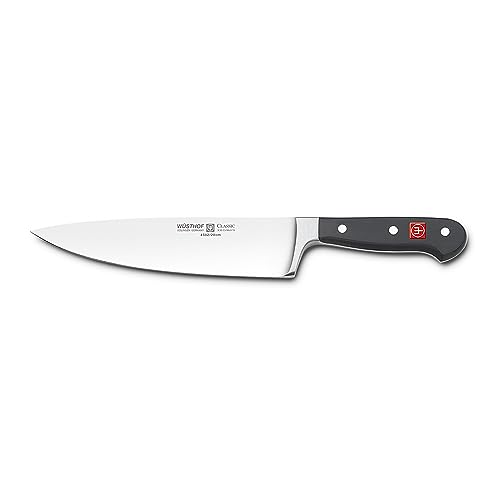

 See all of my favorite tools and gift ideas on my New Amazon Store!Check out Binky's Amazon Store!
Notes
- Freeze grinder attachments before starting so that they are cold.
- Meat must kept very cold! Always keep the meat in the fridge in between steps.
- Grind pork with a smaller diameter cutting blade hole than the venison. This will ensure even cooking.
- Use a ratio of 30% pork to 70% venison for best flavor.
- Use a pork shoulder or a pork butt instead of pork fat. It will be healthier and will provide better flavor.
- The amount of crushed red pepper flakes will determine how mild or hot the sausage is. Use about 3 tablespoon for hot Italian venison sausage. Reduce the pepper flakes to 1 to 2 tablespoons for mild Italian venison sausage.
- You can either make Italian sausage links with a sausage stuffer attachment for your meat grinder or just keep the meat bulk, unstuffed for patties.
How to store it
Sausage can be stored in the refrigerator for about 3 days. For longer store vacuum pack, if possible and store in the freezer. If vacuum packed, meat will have the best flavor if consumed within 3-4 months. If you don’t have a vacuum packer, store in freezer bags, removing as much excess air as you can, for 1-2 months.Nutrition
Originally published March 28, 2023. Updated March 1, 2025.
