
Dehydrating Garlic | Homemade Garlic Powder


Learn how to dehydrate garlic at home and turn fresh cloves into flavorful homemade garlic powder. It’s simple, shelf-stable, and budget-friendly.

If you grow your garlic, you know that you have boatloads to harvest at the same time. Sometimes storage can be tricky. If there is too much humidity, the garlic will go rancid, if there is too little, it will shrivel and become unusable.
Dehydrating garlic is a great way to preserve all of your hard work. You can make dried minced garlic, dried garlic flakes, dried garlic slices or homemade garlic powder. They are so versatile and the perfect addition to your pantry shelves.
How to grow garlic
Garlic is such an easy plant to grow. It basically needs no attention except weeding and fertilization. In most northern areas it is planted around late August or September and left to overwinter. It prefers loamy well drained soil but does well in my clayey soil too. It just can’t tolerate excess moisture.
If you have clayey soil like I do, boost up the organic material with mulch or sand. Mix it in well with the existing soil before planting.
The garlic is usually ready to harvest in late July or August (earlier in warmer climates) the year after planting.
Harvest when the leaves turn brown. Be sure to remove the garlic scapes that will come up in April or May they will consume energy from the bulb and your bulbs will be small.
Make sure that you use the garlic scapes in your recipes. They have a mild garlic flavor and are delicious in so many things. For all of our garlic scape recipes, see here.
What you need
- fresh garlic
- commercial food dehydrator or oven
- jar for storing

How to dehydrate garlic
In slices / garlic flakes commercial dehydrator
Step One
Slice off a thin slice from the root end of your garlic cloves.
Remove the peels.

Step Two
For minced garlic only, separate the cloves from the bulb.
With the side of a heavy duty chef’s knife, smash each clove.

Step Three
Just slip the skins off of the cloves.

Step Four
Use a mandolin or garlic slicer to slice 1/8″ pieces of the clove. You can cut them lengthwise or crosswise, whichever you prefer.

Step Five
Arrange slices on the dehydrator trays in a single layer.

Step Six
Pop the trays in the dehydrator. Set temperature to 100-110°F/ 40-50°C. Set timer for 6 hours.

Total time can be anywhere from 6-18 hours, depending on how thin the garlic was sliced.
Minced / chopped garlic – commercial dehydrator
Step One – Slice off a thin slice from the root end of your garlic cloves. Smash clove with the side of your chef’s knife. Remove the peels.
Step Two – Add cloves to your food processor. Pulse a few times until the pieces are small.
Step Three – Spread the minced garlic onto dehydrator sheets evenly.
Step Four – Pop the trays in the dehydrator. Set temperature to 100-110°F/ 40-50°C. Set timer for 5 hours.
Total time can be anywhere from 6-18 hours, depending on how small the garlic was minced.
To dehydrate in your oven
Prepare garlic as you would for the dehydrator, above. Spread slices or minced garlic on a layer of parchment paper on a baking sheet, evenly.
Set oven to it’s lowest temperature. Most ovens lowest temps are 150-170°F. Crack open the door with a wooden spoon or another tool that won’t conduct heat.
Dehydrate 2-3 hours, checking occasionally to make sure the garlic doesn’t burn. It can take 2-6 hours depending on the size of the garlic pieces.

How to tell if garlic is sufficiently dried
If you slice the garlic, you want to dry it until the pieces snap when you bend them. For minced garlic, just make sure there is no moisture left in the pieces.
You can use your fingernail or a sharp knife to cut into a piece and see if there any moisture left in them. They should be brittle.
Conditioning Your Fruit
Conditioning your fruit is an important step in the drying process, so don’t skip this step.
Conditioning is the process of testing the fruit to make sure that it is thoroughly dry.
Even a bit of moisture in a couple of pieces has the potential to ruin a whole batch.
Allow the dehydrated fruits to come to room temperature. Immediately place them into a glass mason jar. Place the jar in a dark area.
Shake the jar daily to break up any stuck pieces. Allow them to stay in the jar for 7-10 days, shaking daily.
If you see any moisture droplets collecting on the jar. You know you have moisture in them.
If you see any evidence of moisture or any condensation in the jar, re-dry the food in your oven or dehydrator. After re-drying, condition them again. Once they are fully dry, pack in tight-fitting glass jars.
If you see any evidence of mold during the conditioning process. Discard the product.

How to make homemade garlic powder
Once the garlic is dried and conditioned, grind it with a food processor, blender, spice mill, or coffee grinder. You can even use a mortar and pestle. This can take several minutes.
Sift the powder through a fine mesh strainer to ensure uniform pieces.
You can either use the large chunks of powder as granulated garlic or place them back in your food processor and continue to grind the pieces until they are finer.
How to store dried garlic/garlic powder
Store the garlic in a glass jar with the lid secured. Shelf life is at least one year. After a year, the garlic can lose its potency.
FAQs
Your homemade garlic powder will last at least a year.
Store the garlic in a glass jar with the lid secured. It can also be vacuum packed to prolong freshness.
Yes. Set the oven to the lowest heat setting. Spread sliced or grated garlic on a piece of parchment paper. Dehydrate 2-3 hours, until the garlic is thoroughly dried.
How to use dried garlic/garlic powder
You can substitute dried garlic in all of the dishes you would normally use fresh garlic, including;
- soups
- stews
- rice dishes
- pasta dishes
- pizza
- Use it to make homemade garlic salt and give them for holiday gifts.
- salad dressings
- marinades
More recipes for dehydrating
- Dried Scallions
- Dehydrated Blackberries
- Dried Raspberries
- Dried Orange Slices
- Dehydrated Limes
- Dehydrated Lemons
- Dried Peaches


Dehydrating Garlic | Garlic Powder
Ingredients
- 3 bulbs garlic
Instructions
- Separate cloves from the bulb base. Use a sharp knife to remove the root end of each clove.3 bulbs garlic
For dried garlic slices
- Slice the cloves thin into ⅛ inch thick slices. You can cut them lengthwise or width wise.
For dried minced garlic
- Add pieces to food processor. Process until you have small minces.
- Pulse until garlic is fairly fine but not enough to turn it into a paste.
Using your commercial dehydrator
- Lay processed garlic on parchment lined dehydrator trays in a single layer. Place the trays in the dehydrator.
- Set heat to 100-110°F / 40°- 50°C, if your dehydrator will go that low.
- Dry for 5-7 hours until they are dry enough to snap between you fingers. The most important thing is get all of the moisture out so that they don’t mold.
Using your oven
- Lay processed garlic on parchment lined baking sheets in a single layer. Place the sheets in the oven.
- Set the heat to its lowest setting, usually 170°F/60°C, if your dehydrator has a temperature control.
- Dry for 2-6 hours until they are dry enough to snap between you fingers. The most important thing is get all of the moisture out so that they don’t mold.
- Allow the dried garlic to cool to room temperature. Then condition it. (Instructions in notes below).
How to make garlic powder
- Once the garlic is dried and conditioned, grind the it with a food processor, blender, spice mill or coffee grinder. You can even use a mortar and pestle. This can take several minutes.
- Sift the powder through a fine mesh strainer to ensure uniform pieces.
- You can either use the large chunks of powder as granulated garlic or place them back in your food processor and continue to grind the pieces until they are finer.
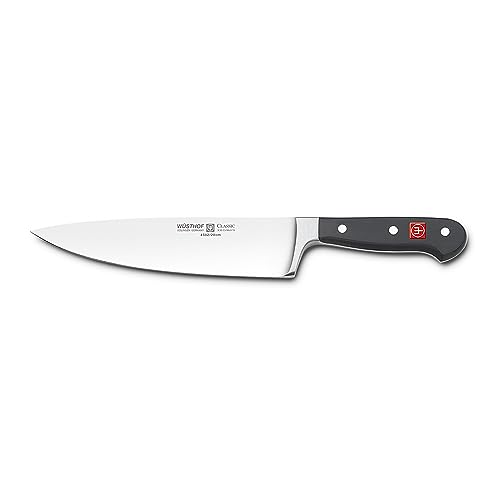
 See all of my favorite tools and gift ideas on my New Amazon Store!Check out Binky's Amazon Store!
Notes
Nutrition
Originally published November 8, 2022.