
Freezing Cauliflower
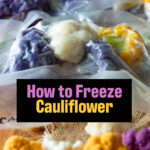
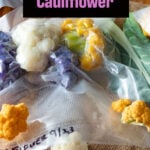
Freezing cauliflower is a fantastic way to preserve its freshness and nutritional value for later use. This simple guide will walk you through the steps to properly freeze cauliflower, ensuring it remains tasty and versatile for your future culinary creations.

Cauliflower is one of those vegetables that comes and goes too fast in the early fall. Sure, it is available year-round at grocery stores, but it never tastes as good as the heads you grow or buy at the farmer’s market in the fall.
That is a great reason to buy a few extras when they are in season so you can enjoy them all winter. It’s just too easy to do not to.
Why Freeze Cauliflower?
- Some vegetables just don’t freeze well, in our opinion. Green beans and corn come to mind. No matter the technique we try, they are just mediocre. Cauliflower, on the other hand, freezes beautifully. It will even roast to perfection after freezing.
- It is incredibly easy and only takes a few minutes.
- It’s convenient to grab a package from the freezer and add it to your favorite meals or just to serve for a busy weeknight.
- Freezing preserves the nutrients in cauliflower, ensuring that the frozen cauliflower will be as nutritious as its fresh counterpart.
- Freezing reduces food waste. Particularly if you grow your own, you may have too much to use after harvesting to consume before it spoils.
- It is economical. Buying cauliflower when it is in season is cheaper than buying it out of season at the grocery store.
- It is great to have on hand when meal planning and can save you time and energy cooking weeknight meals.
What you need
- Cauliflower: Use any cauliflower that you have on hand. Colored cauliflower works well here, too. Try to freeze it as soon after harvest as possible to retain as many nutrients as possible.
- Salt: Optional. If you choose, add salt to the water you blanch the cauliflower in.

Helpful Equipment
- Large saucepan: Use an 8-quart pot to blanch it in.
- Use a spider or colander to strain the blanched cauliflower.
How to Freeze Cauliflower
Step One:
Wash the head of cauliflower to remove any dirt or insects left from the field.
Remove the leaves from the fresh cauliflower. You may need to cut the stem down to access the cauliflower florets. Then, cut off each floret one at a time with a sharp knife.

Step Two:
Work around the cauliflower head and cut off each piece individually, leaving the core in the middle.

Step Three:
Boil water in a large stockpot. Add salt, if desired.
Set up a large bowl of ice water.

Step Four:
Blanch the cauliflower in boiling water for about three minutes.
Immediately remove the pieces to an ice bath to cease cooking.

Drain the cooled cauliflower in a colander to dry for a few minutes. Pat it dry with a paper towel to remove excess moisture.
Place the blanched florets in a single layer on a parchment paper-lined rimmed baking sheet.
Freeze for several hours, then quickly package the cauliflower in freezer bags. Remove as much air as possible. It can be stored in airtight containers, but it may freezer-burn faster.
For best results, vacuum package them in single-serving packages.
PRO TIP: Don’t throw away the leaves and the core. Package them in freezer bags and freeze them to make vegetable stock.
How to Cook Frozen Cauliflower
By Steaming
- Preheat the Steamer: Add water to the steaming pot. Bring the water in your steamer to a boil.
- Place Cauliflower in Steamer Basket: Arrange the frozen cauliflower florets in a single layer in the steamer basket. There’s no need to thaw them first.
- Steaming Time: Steam the cauliflower for about 5 to 8 minutes. The exact time will depend on the size of the florets and how tender you like them. Smaller florets will cook faster, while larger ones will take more time.
- Check for Doneness: The cauliflower is done when it is tender enough to pierce easily with a fork but still holds its shape. Remember, since the cauliflower is already blanched before freezing, it doesn’t require a long cooking time. Overcooking can result in a mushy texture, so it’s better to start checking for doneness at the 5-minute mark.
- Serve Immediately: Once steamed to your liking, remove the cauliflower from the steamer and serve immediately. You can season it as desired with butter, salt, pepper, herbs, or cheese.
In the Microwave
- Prepare the Cauliflower: Place the frozen cauliflower florets in a microwave-safe dish. There’s no need to thaw them first.
- Add Water: Add a small amount of water to the dish, just enough to cover the bottom. This will create steam during cooking and help the cauliflower cook evenly.
- Cover the Dish: Cover the dish with a microwave-safe lid or plastic wrap. If using plastic wrap, poke a few holes in it to allow steam to escape.
- Microwave Settings: Cook on high power. The exact time will depend on your microwave’s wattage and the amount of cauliflower. As a general guideline, start with 4 to 5 minutes for a medium-sized bowl of florets.
- Check for Doneness: After the initial cooking time, carefully remove the cover (watch out for hot steam) and check if the cauliflower is tender. If not, microwave in additional increments of one minute until it reaches your desired tenderness.
- Drain and Serve: Once done, carefully drain any excess water. You can then season the cauliflower as desired and serve.

How to Use Frozen Cauliflower
This frozen cauliflower is perfect for serving in so many dishes.
- Make this simple cauliflower au gratin.
- Try to roast the cauliflower.
- Add it to fresh salads to bump up the nutrition. Just thaw it and use it on a chef’s or green salad.
- Use it on grazing boards or crudités platters.
- Make a cauliflower soup.
- Cauliflower rice is a healthy, low-carb alternative to white rice.
- Mashed cauliflower is healthier than potatoes and goes well with gravies.
- Add it to soups, stews, and stir-fries to boost nutrition.
- Make a gluten-free cauliflower pizza crust.
- Use it for quick pickled cauliflower.
- Steam it and purée for nutritious baby food.
Frequently Asked Questions
You can keep your frozen cauliflower for 8-12 months, especially if it’s vacuum-packed. After this time, it may freezer-burn. Cauliflower frozen in freezer bags is best used within six months.
Cut the florets into bite-size pieces before blanching. Larger chunks will not cook up as well. They tend to get mushy on the outside while being very firm on the inside.
Technically, no, but it will make removing as much cauliflower as you need to make your recipe easier. If you put the pieces in damp, they will stick together, and you must cook a whole clump.
More Recipes to Freeze Fresh Fruits and Vegetables

Freezing cauliflower is an easy job that will reap many rewards in the future. It’s a great meal prep recipe and will save you tons of time and money in the future.


Freezing Cauliflower
Ingredients
- 1 head cauliflower
- 2 teaspoons salt optional
Instructions
- Wash the head of cauliflower to remove any dirt or insects left from the field.1 head cauliflower
- Remove the leaves from the fresh cauliflower. You may need to cut the stem down a bit to access the cauliflower florets. Then, cut off each floret one at a time with a sharp knife.
- Work around the cauliflower head and cut off each piece individually, leaving the core in the middle.
- Boil water in a large stockpot. Add salt, if desired. Set up a large bowl of ice water.2 teaspoons salt
- Blanch the cauliflower in boiling water for about three minutes. Immediately remove the pieces to an ice bath to cease cooking.
- Drain the cooled cauliflower in a colander to dry for a few minutes. Pat it dry with a paper towel to remove excess moisture.
- Place the blanched florets in a single layer on a parchment paper-lined rimmed baking sheet.
- Freeze for several hours, then quickly package the cauliflower in freezer bags. Remove as much air as possible.
- For best results, vacuum package them in single-serving packages.

 See all of my favorite tools and gift ideas on my New Amazon Store!Check out Binky's Amazon Store!
Notes
- Preheat the Steamer: Add water to the steaming pot. Bring the water in your steamer to a boil.
- Place Cauliflower in Steamer Basket: Arrange the frozen cauliflower florets in a single layer in the steamer basket. There’s no need to thaw them first.
- Steaming Time: Steam the cauliflower for about 5 to 8 minutes. The exact time will depend on the size of the florets and how tender you like them. Smaller florets will cook faster, while larger ones will take more time.
- Check for Doneness: The cauliflower is done when it is tender enough to pierce easily with a fork but still holds its shape. Remember, since the cauliflower is already blanched before freezing, it doesn’t require a long cooking time. Overcooking can result in a mushy texture, so it’s better to start checking for doneness at the 5-minute mark.
- Serve Immediately: Once steamed to your liking, remove the cauliflower from the steamer and serve immediately. You can season it as desired with butter, salt, pepper, herbs, or cheese.
- Prepare the Cauliflower: Place the frozen cauliflower florets in a microwave-safe dish. There’s no need to thaw them first.
- Add Water: Add a small amount of water to the dish, just enough to cover the bottom. This will create steam during cooking and help the cauliflower cook evenly.
- Cover the Dish: Cover the dish with a microwave-safe lid or plastic wrap. If using plastic wrap, poke a few holes in it to allow steam to escape.
- Microwave Settings: Cook on high power. The exact time will depend on your microwave’s wattage and the amount of cauliflower. As a general guideline, start with 4 to 5 minutes for a medium-sized bowl of florets.
- Check for Doneness: After the initial cooking time, carefully remove the cover (watch out for hot steam) and check if the cauliflower is tender. If not, microwave in additional increments of one minute until it reaches your desired tenderness.
- Drain and Serve: Once done, carefully drain any excess water. You can then season the cauliflower as desired and serve.
- Make this simple cauliflower au gratin.
- Try to roast the cauliflower.
- Add it to fresh salads to bump up the nutrition. Just thaw it and use it on a chef’s or green salad.
- Use it on grazing boards or crudités platters.
- Make a cauliflower soup.
- Cauliflower rice is a healthy, low-carb alternative to white rice.
- Mashed cauliflower is healthier than potatoes and goes well with gravies.
- Add it to soups, stews, and stir-fries to boost the nutrition.
- Make a gluten-free cauliflower pizza crust.
- Use it for quick pickled cauliflower.
- Steam it and purée for nutritious baby food.