
Freezing Cantaloupe
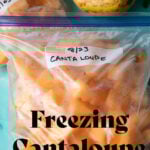
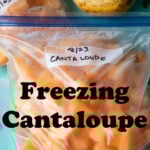
Freezing cantaloupe is a brilliant solution to prolong its sweetness and savor it long after its peak season.

Freezing Cantaloupe 101 🍈❄️ It is incredibly easy and only takes a few minutes. Follow along for a step-by-step guide and some tasty tips!
What you need
For this recipe, you need a peak of the season, ripe cantaloupe.

How to choose a delicious muskmelon
- When you choose a fresh cantaloupe, check the skin. It should be evenly brown.
- The skin should be free from any dark or bruised spots.
- Smell the melon. It should smell sweet and melony. You can usually tell everything you need to know by the smell.
- Use a finger to gently push in on the bud end of the fruit (that is the end with the small indentation in it). It should give nicely but not be overly soft so that your finger goes right into the fruit. This would indicate a melon that is too ripe.
- Choose in-season fruit for the best flavor, homegrown or from a farm stand. Melons at your local grocery are usually shipped in from down south and could have been weeks in transport.
- When you find a delicious melon, go back and buy more!
How to freeze cantaloupe
Rinse the outside of the cantaloupe under cold water to remove any dirt or contaminants. Pat it dry with a clean towel.
Cut off the ends of the cantaloupe. Cut the fruit in half.
Using a spoon, scoop out the seeds from each half.
Place the fruit on the end and slice off the rind from the center to the end at an angle to remove the skin.

Slice the halves into wedges.

Cut them into cubes for easier snacking or blending into smoothies.

Pre-freeze them. To prevent the pieces from sticking together
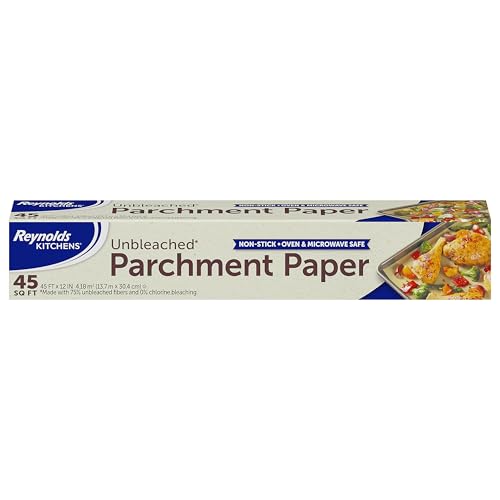
Line a baking sheet with parchment paper.
Lay out the cantaloupe pieces in a single layer, ensuring they’re not touching.

Freeze for 2-3 hours or until the pieces are solid.

Transfer the pre-frozen cantaloupe pieces into airtight freezer bags or containers. Make sure to remove as much air as possible before sealing to reduce the risk of freezer burn. Vacuum sealing is a great option here.
Label each bag or container with the date of freezing.

If you would like to use the cantaloupe in smoothies, or any other place you would use a puree, like a soup, then purée the fruit in a blender or in batches in the food processor. Bag and seal the purée and lay flat in the freezer to freeze.
Alternatively, freeze the purée in ice cube trays, and make cantaloupe cubes, to use for drinks or cocktails.
How to Store
Store the sealed bags or containers in the freezer. Frozen cantaloupe can last up to 10-12 months when stored properly. However, for the best flavor and texture, try to consume them within six months.
Thawing & Usage
- For smoothies: Directly toss frozen cantaloupe chunks into the blender.
- For eating: Let them thaw in the refrigerator or at room temperature. Remember, the texture might be a bit softer after thawing, but the taste will remain delicious!
Pro Tips
- Add a sweetener: Add a sprinkle of sugar or a drizzle of honey to the cantaloupe pieces before freezing for an extra sweet treat.
- Vacuum Sealing: Use a vacuum sealer. It’s the best way to ensure no air gets trapped inside the storage bag, which can lead to freezer burn. This method can significantly extend the fruit’s freezer shelf life.
- Freeze in Portions: If you frequently make smoothies or other dishes, consider freezing the cantaloupe in pre-measured amounts. That way, you can grab a bag and go without measuring it every time.
- Use a Sharp Knife: This sounds basic, but a sharper knife will give you cleaner cuts, ensuring that the cantaloupe pieces freeze evenly.
- Natural Flavor Boosters: Before freezing, consider tossing the cantaloupe chunks in a mixture of lemon or lime juice. This can help preserve color and give a subtle flavor boost.
- Flat Freezing: When placing your pre-frozen cantaloupe in the freezer bag back into the freezer, ensure it lies flat. It will take up less room.
- Consistency Check: After storing for a long time, occasionally check your frozen cantaloupe. If you notice large ice crystals or any signs of freezer burn, it’s best to consume them sooner rather than later.
- Rotation: Remember the “first in, first out” rule if you freeze cantaloupes frequently. Always use the oldest frozen fruit first to ensure you’re consuming them at their best quality.
- Hybrid Uses: After freezing, the texture will change and may not be good for direct consumption, but can always be repurposed. Consider blending them into cold soups and smoothies or using them as a base for melon sorbets.
- Remember, while freezing does alter the texture of fruits like cantaloupe, it’s a great way to enjoy them outside their usual season. Happy freezing!
Enjoy your preserved summertime treat any time of the year! 🍈❄️🥂
How to use frozen cantaloupe
1. Smoothies: Combine frozen chunks with Greek yogurt, honey, and a splash of orange juice. Blend until smooth. Add frozen cantaloupe, coconut milk, frozen pineapple, and a dash of lime juice for a tropical twist.
2. Cold Soups: Purée thawed cantaloupe with a touch of honey, mint, and a squeeze of lime juice. Serve chilled, garnished with fresh mint.
3. Sorbets and Ice Creams: Blend frozen cantaloupe with sugar syrup until it reaches a smooth consistency. Freeze again, then blend one more time before serving.
4. Frozen Snack: Enjoy frozen cantaloupe chunks directly from the freezer, especially on hot days. They’re like melon ice cubes!
5. Cocktails and Mocktails: Blend frozen cantaloupe with a bit of ginger, mint, and sparkling water. For a boozy version, add a shot of vodka or gin.
6. Dessert Toppings: Let the frozen cantaloupe thaw slightly, and use it as a refreshing topping for vanilla ice cream or panna cotta.
7. Salad Infusion: Add slightly thawed cantaloupe pieces to summer salads for a chilly twist. They pair well with feta cheese, prosciutto, and mint.
8. Blended into Juices: Blend frozen cantaloupe with water and a touch of sugar for a quick drink. Strain and serve chilled.
9. Popsicles: Make a cantaloupe puree by blending the frozen chunks with honey or sugar. Pour it into popsicle molds and freeze.
10. Fruit Bowls: Mix thawed cantaloupe chunks with other thawed fruits like berries, mango, or kiwi for a refreshing fruit salad.
Tips when using frozen cantaloupe:
- Texture Change: Remember that cantaloupe will have a softer texture once frozen and thawed. It’s best suited for blended dishes rather than those requiring a firm texture.
- Quick Thawing: To quickly thaw, place the desired amount of cantaloupe in a sealed plastic bag and immerse it in cold water. Change the water every 30 minutes until the cantaloupe has thawed.
- Avoid Refreezing: Once you’ve thawed frozen cantaloupe, it’s best to avoid refreezing it to maintain texture and flavor.
Enjoy the burst of summer flavor in various preparations, no matter the season! 🍈❄️🍹🥣🍦🍧
More produce to freeze
Helpful Tools


Freezing Cantaloupe
Ingredients
- 2 pounds cantaloupe
Instructions
- Wash cantaloupe well. Pat dry with a clean towel.2 pounds cantaloupe
- Slice the melon in half. Scoop out the seeds with a knife. Peel the halves. Slice the meat into bite-sized pieces.
- Place them in a single layer on a parchment paper-covered rimmed baking sheet.
- Freeze for an hour or two. Place them in freezer bags. Remove as much air as possible. Label and date them. Refreeze.
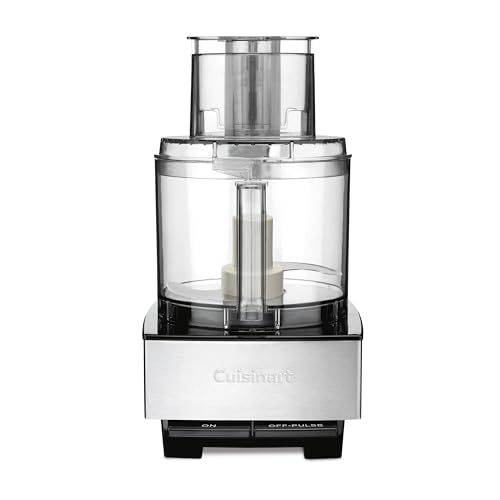
- Place in food processor and pulse until a smooth purée forms.
To freeze purée
- Perform the first step above. Place the chunks into a blender or freezer container. Process until smooth.
- Pour into freezer containers. Leaving 1-inch headspace.
- Freeze.
 See all of my favorite tools and gift ideas on my New Amazon Store!Check out Binky's Amazon Store!
Notes
- When you choose a fresh cantaloupe, check the skin. It should be evenly brown.
- The skin should be free from any dark or bruised spots.
- Smell the melon. It should smell sweet and melony. You can usually tell everything you need to know by the smell.
- Use a finger to gently push in on the bud end of the fruit. It should give nicely but not be overly soft so that your finger goes right into the fruit. This would indicate a melon that is too ripe.
- Choose in-season fruit for the best flavor, homegrown or from a farm stand. Melons at your local grocery are usually shipped in from down south and could have been weeks in transport.
- When you find a delicious melon, go back and buy more!
- Cantaloupe Classic: Combine frozen chunks with Greek yogurt, honey, and a splash of orange juice. Blend until smooth.
- Tropical Twist: Mix frozen cantaloupe, coconut milk, frozen pineapple, and a dash of lime juice.
- Chilled Cantaloupe Soup: Purée thawed cantaloupe with a touch of honey, mint, and a squeeze of lime juice. Serve chilled, garnished with fresh mint.
- Cantaloupe Sorbet: Blend frozen cantaloupe with sugar syrup until it reaches a smooth consistency. Freeze again, then blend one more time before serving.
- Enjoy frozen cantaloupe chunks directly from the freezer, especially on hot days. They’re like melon ice cubes!
- Melon Cooler: Blend frozen cantaloupe with a bit of ginger, mint, and sparkling water. For a boozy version, add a shot of vodka or gin.
- Let the frozen cantaloupe thaw slightly, and use it as a refreshing topping for vanilla ice cream or panna cotta.
- Add slightly thawed cantaloupe pieces to summer salads for a chilly twist. They pair well with feta cheese, prosciutto, and mint.
- Blend frozen cantaloupe with water and a touch of sugar for a quick drink. Strain and serve chilled.
- Make a cantaloupe puree by blending the frozen chunks with honey or sugar. Pour it into popsicle molds and freeze.
- Mix thawed cantaloupe chunks with other thawed fruits like berries, mango, or kiwi for a refreshing fruit salad.
- Texture Change: Remember that cantaloupe will have a softer texture once frozen and thawed. It’s best suited for blended dishes rather than those requiring a firm texture.
- Quick Thawing: To quickly thaw, place the desired amount of cantaloupe in a sealed plastic bag and immerse it in cold water. Change the water every 30 minutes until the cantaloupe has thawed.
- Avoid Refreezing: Once you’ve thawed frozen cantaloupe, it’s best to avoid refreezing it to maintain texture and flavor.
Nutrition
Originally published August 24, 2023.


