
How to Cut Cheese for Boards and Platters
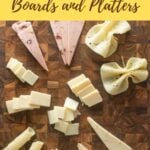
Creative presentation of cheeses on Charcuterie boards and Grazing Platters can make all the difference in the food’s aesthetics. This step-by-step guide teaches you everything you need to know about how to cut cheese.

🍽️ Recipe Name: How to Cut Cheese for Boards and Charcuterie
⏰ Ready In: 20 minutes
⏳ Prep Time: 10 minutes
🔥 Cook Time: 10 minutes
👥 Serves: 1 pound of cheese
🥕Main Ingredients: Brie cheese, cheddar cheese, Gouda, Gruyère, goat cheese, Swiss, provolone, American cheese, or your favorite cheeses for serving.
🍳 Special Equipment: Cheese knife, wire cheese slicer, cutting board, charcuterie board, cookie cutters (optional), toothpicks.
⭐ Why You’ll Love It: Learn simple techniques to cut and present every type of cheese, from soft Brie to hard cheddar. These easy methods make charcuterie boards look more polished, inviting, and professional without requiring special skills.
👇 Full measurements and instructions are in the recipe card below.
How to Slice Various Cheeses
The first step is to identify which type of cheese you have and which cheese knife is best for that cheese.
For Rectangular Hard or Semi-hard Cheeses

Great for hard cheeses like cheddar or Parmigiano-Reggiano.
Slice off a rectangle.

Place the rectangle flat on your cutting board. Slice on the diagonal from corner to corner to make a triangle.
This produces a right triangle.

Stand groups of triangles up, alternating the tall sides of the triangles to the right and then to the left to make an accordion.
They can also be cut into rectangles or squares. A wire cheese cutter can be a good investment for hard cheeses.

Place cheese block on the board. Slice down towards the cutting board.

Cut rectangles and lay them out like a deck of cards.

Or fan them out like a fan.

Rectangles can be cut in half to make squares. These look good in a random pile. If you slice the cheese thicker, like inches thick, you can even cut it into cubes.
Serve Crumbles for Extra-Sharp Cheeses
As cheddar ages, it loses moisture and becomes more difficult to slice. Let the aged cheddar come to room temperature for at least 30 minutes. Cut thicker 1-2-inch slices, then break the slices into irregular pieces with clean hands. Place a pile of crumbles onto your board. This is a great technique for ripe blue cheese or queso fresco.
How to Slice a Wedge of Cheese

Great for cheeses like Gouda or gruyère.
Lay the cheese down on the board.

Slice down perpendicular to the board.

This will create a long, thin isosceles or scalene triangle.
Arrange them in a straight row.

Or fan the pieces out in a fan shape. If the rind stays attached to the cheese, that is fine. It will add color to your board. The rind separated from this Gouda.
Cut Out Seasonal Shapes

Cut out fun shapes that fit your board’s theme with cookie cutters. Metal cutters work the best. Cut a ½-inch thick slice of cheese

Cut through the cheese with the cutter and remove the excess. Gently push the shape out of the cutter with a toothpick or a small knife, if it fits inside the cutter.
How to Cut Wheel Cheeses
Great for medium brie or camembert cheese.

Slice the wheel in half.

Then, slice wedges as you would a cake or a pie, as thick as you like.
How to Serve Spreadable Cheeses

It is best to serve super-soft cheeses, such as fresh, triple cream brie, chevre, or soft goat cheese, as a whole chunk. These can make a mess of your board.
Place a soft cheese knife next to it so guests can cut off a piece and spread it on their bread or crackers.
How to Present Sliced Cheeses
Roll the cheese into logs

This method will work best with very thin slices.
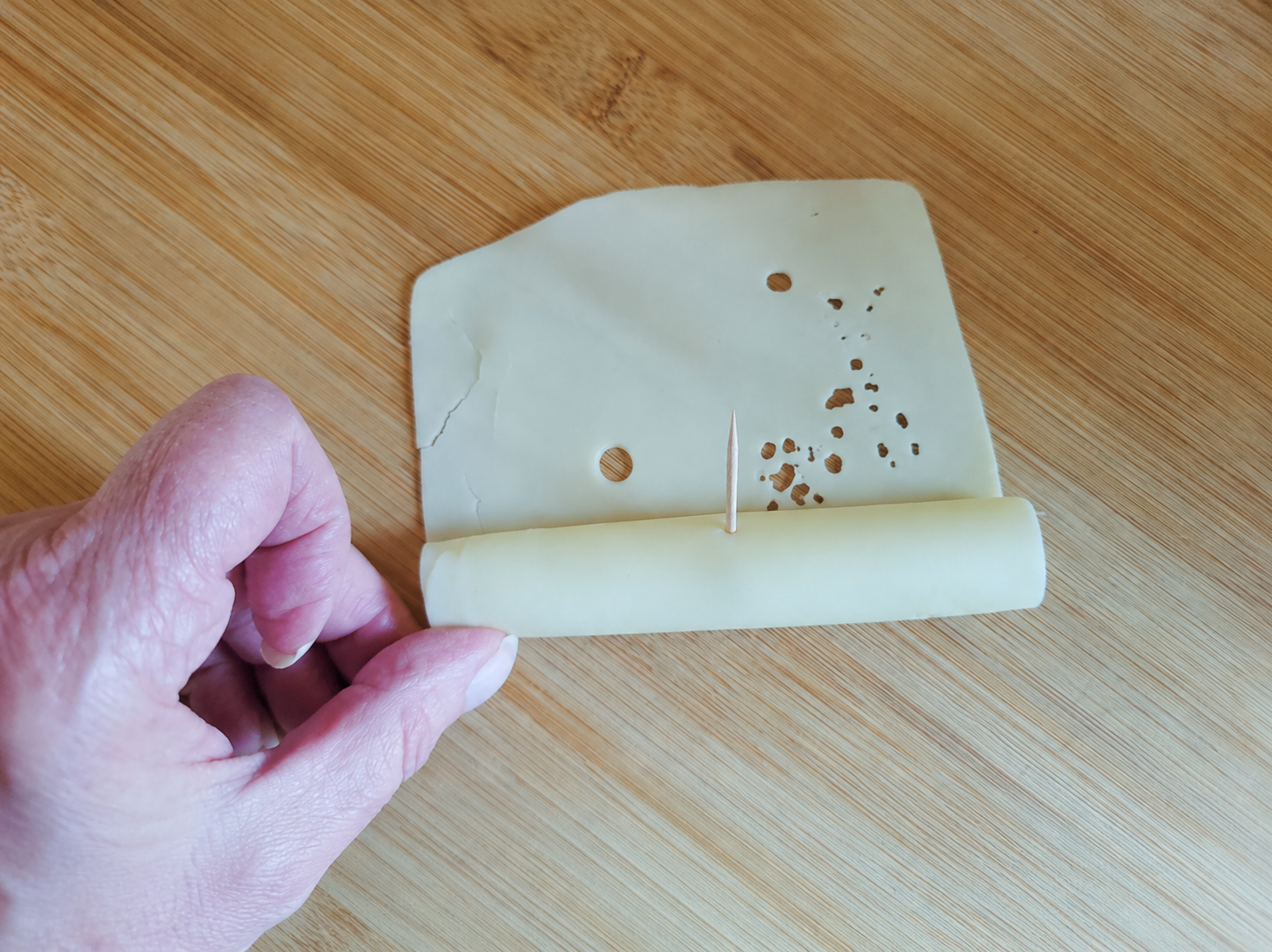
Roll the cheese into a log. Secure it with a toothpick if needed.
Accordion the cheese

Fold it about an inch wide.

Alternate the direction that you fold.

Secure it with a toothpick.

Fan the cheese out on the top and bottom.
The Tools
From left to right in the photo below, there is a hard cheese knife, used for manchego or pecorino Romano; a semi-hard cheese knife, used for cheeses like matured Gouda and Cheddar cheese; a Semi-soft cheese knife, used for gorgonzola and young Gouda; and a Soft spreading knife, used for butter and fresh cheeses.
Then there is an adjustable wire cheese slicer that lets you adjust slice thickness. A thin-blade sharp knife will work well if you don’t have specialty cheese slicers. A great substitute for the wire cutter is a length of unflavored, unwaxed dental floss.


You can have short product description here. It can be added as and enable/disable toggle option from which user can have control on it.
Tips for Your Success
- Let cheese sit at room temperature for 30–60 minutes before cutting. Cold cheese is firmer and more likely to crack or crumble.
- Use the right cutting method for each cheese. Wedges, cubes, slices, and crumbles all work better for certain varieties and make serving easier.
- Clean your knife between cuts when working with multiple cheeses. This keeps flavors from mixing and helps each cut stay neat.
- Cut only what you need right before serving. Cheese looks fresher and keeps its texture better when it isn’t sitting out for too long.
- Arrange cut cheese with serving in mind. Leave enough space around each cheese so guests can easily pick up pieces without disturbing the rest of the board.
Tools That Make This Recipe Work
If you don’t already have these, this is where most people struggle.
- Cheese knife – Makes it easier to cut through different types of cheese without crushing or breaking them. A regular kitchen knife can stick to soft cheeses and create messy cuts.
- Set of cheese knives – Different cheeses need different blades. Having a few options helps you cut everything from soft brie to hard cheddar more cleanly and with less effort.
- Charcuterie board utensil set – Gives guests an easy way to serve themselves without handling the cheese directly. Without serving utensils, boards can quickly become messy.
- Wire cheese slicer – Creates thin, even slices that look neat on a board. Using a knife often results in slices that are too thick or uneven.
- Cutting board – Provides a stable surface for cutting and portioning cheese safely. Cutting directly on countertops can damage both the surface and your knives.
- Marble board – Helps keep cheese cooler for longer while serving. Regular boards can warm up more quickly, especially during parties or outdoor gatherings.

This tool helps you cut consistent slices for serving and entertaining. It works well for cheddar, Swiss, provolone, and other semi-firm cheeses.
Entertaining guests with a simple cheese platter or a more expansive grazing board or charcuterie platter can be a lot of fun for the host and the guests. They are personally customizable, and guests can grab their favorite foods from the board.
Try one at your next gathering and watch their faces light up- from young to old, these boards are crowd pleasers.
FAQs
How do I cut soft cheese without it sticking to the knife?
Use a sharp cheese knife and wipe the blade clean between cuts. Chilling very soft cheeses for a few minutes before slicing can also make them easier to handle.
How far in advance can I cut cheese for a party?
You can cut most cheeses a few hours ahead of time. Cover them well and refrigerate until needed. For the freshest appearance, arrange them on the board shortly before serving.
What cheeses are easiest to cut for beginners?
Cheddar, Gouda, Monterey Jack, and Havarti are good choices. They hold their shape well and can be cut into slices, cubes, or sticks without much difficulty.
Fun Charcuterie Boards
Charcuterie Board Ideas– Our master course on how to build a board for any occasion.
- Fall/Thanksgiving Charcuterie
- Dessert Charcuterie for Christmas
- Grazing Board
- Patriotic Board for Memorial Day, 4th of July, or Labor Day
- Easter/Spring Platter


How to Cut Cheese for Boards and Charcuterie
Ingredients
- 8 ounces brie cheese
- 8 ounces cheddar cheese
Instructions
For the Brie
- Slice the wheel in half. Then, slice wedges as you would a cake or a pie, as thick as you like.8 ounces brie cheese
- To serve, place the entire wheel on your cheese board with the wedges cut out of half.
For Hard and Semi-hard Cheeses Like Cheddar Cheese
- Block cheese can be cut in several ways. First, cut slices into ⅛ or ¼-inch thick slices. Serve them as-is fanned out on your board.8 ounces cheddar cheese
- Second, cut the rectangles in half to make squares. Serve them in a pile or fanned out on your board.
- Third, lay the rectangle flat on the cutting board. Cut the rectangle diagonally to make right triangles. Set these triangles on the 2nd longest edge with the longest edge (hypotenuse) facing up, alternate the direction of the pieces. See the article above for step-by-step photos.
- Fourth, cut seasonal shapes out with metal cookie cutters. Cut a rectangle of cheese about ½-inch thick. Cut out your desired shape. Remove the excess cheese on the outside. Gently remove the shape from the cutter. Use a toothpick or knife if necessary.
- Fifth, for wedge cheeses like Gouda or Gruyere, Lay the wedge down on the cutting board. Slice down perpendicular to the board. This will make a triangle that can be fanned out on your board.
For Soft, Spreadable Cheeses
- For cheeses like a triple cram brie of soft goat cheese, keep the wedge whole and place a spreading knife next to it so guests can spread some on crackers or bread.
For Presliced Cheeses
- Thinly sliced cheeses like Swiss, American, Provolone, and the like can be rolled into logs or folded like an accordion. Hold these together with a toothpick, if required.


 See all of my favorite tools and gift ideas on my New Amazon Store!Check out Binky's Amazon Store!


