
Beginner Kitchen Tool Essentials
If you are learning to cook for yourself, you do not need a fancy kitchen or a drawer full of gadgets. You need a short list of tools that actually get used. This guide covers the basics worth buying first. Nothing extra. Nothing overwhelming.
You do not need to buy everything at once. Start with what fits your space and budget. These tools are enough to cook real meals and enjoy the process.
Pots and Pans- Cookware
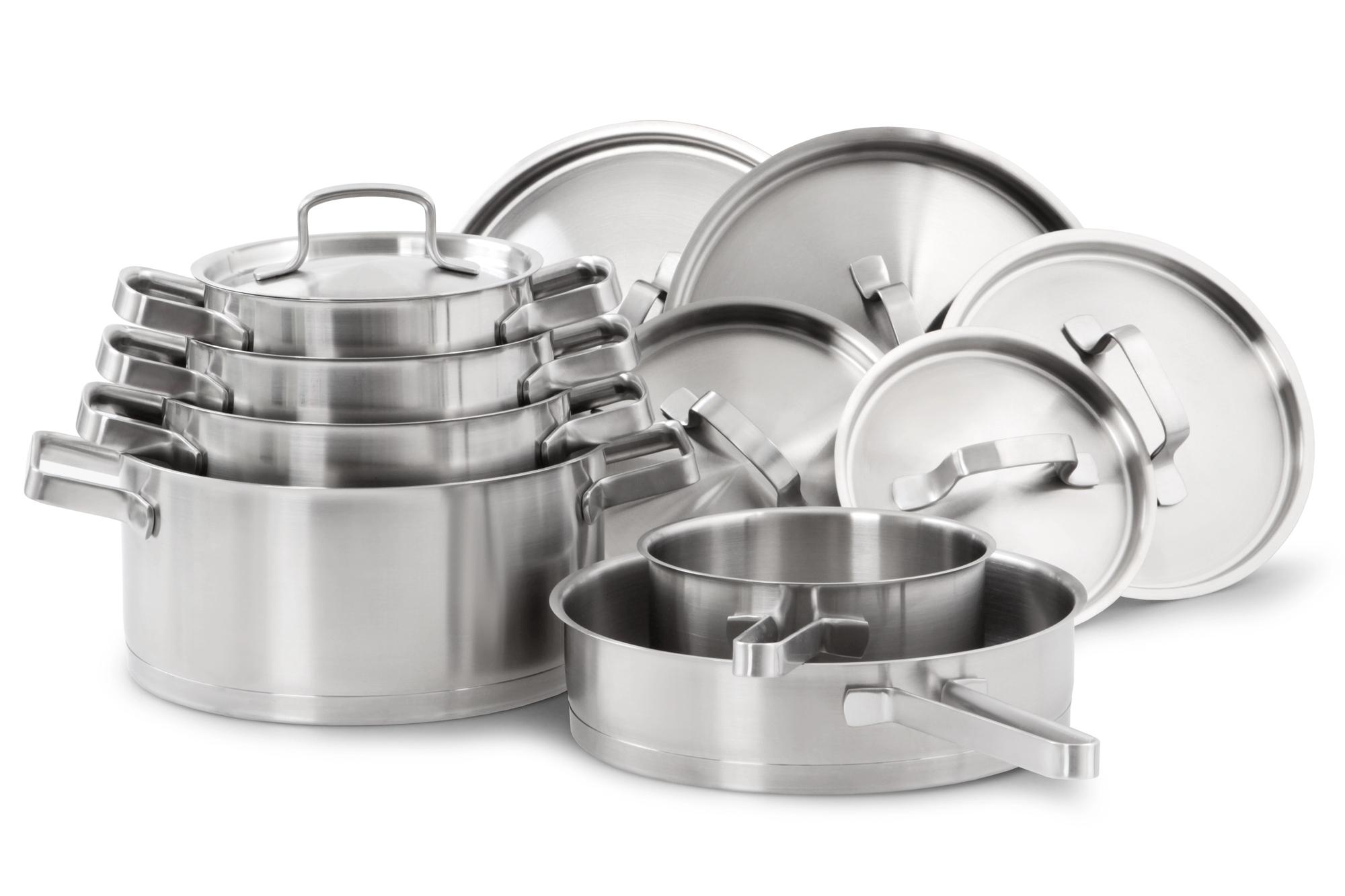
When starting out, choose cookware that works for many meals. Look for pieces that can go in the oven and the dishwasher.
Stainless steel is a strong first choice. It handles most cooking tasks and lasts a long time. A basic set usually includes frying pans, a sauté pan, a Dutch oven, and lids.
A nonstick pan is helpful for eggs and delicate foods. Use silicone or plastic utensils to protect the surface, don’t use a metal utensil.
A good quality, seasoned cast iron skillet is useful for browning meat and oven cooking. With basic care, it lasts for years.
Prep Tools
Mixing bowls are important for both baking and prepping dinner.
Cutting boards protect your counters so they don’t scratch and make cooking easier. Use wooden cutting boards for vegetables and cheese. Use a silicone or plastic cutting board for raw meat.
Measuring cups: Use glass or metal for liquids; plastic ones always lose paint on the outside and become unreadable. A 2-cup liquid measure is the most versatile; use a metal set for dry ingredients.
Measuring cups help keep recipes consistent. Glass or metal works best for liquid measure. Metal sets are best for dry ingredients.
Measuring spoons are used for both baking and cooking for spices and the like.
A Colander or a strainer is helpful for washing produce and draining pasta.
Kitchen Utensils
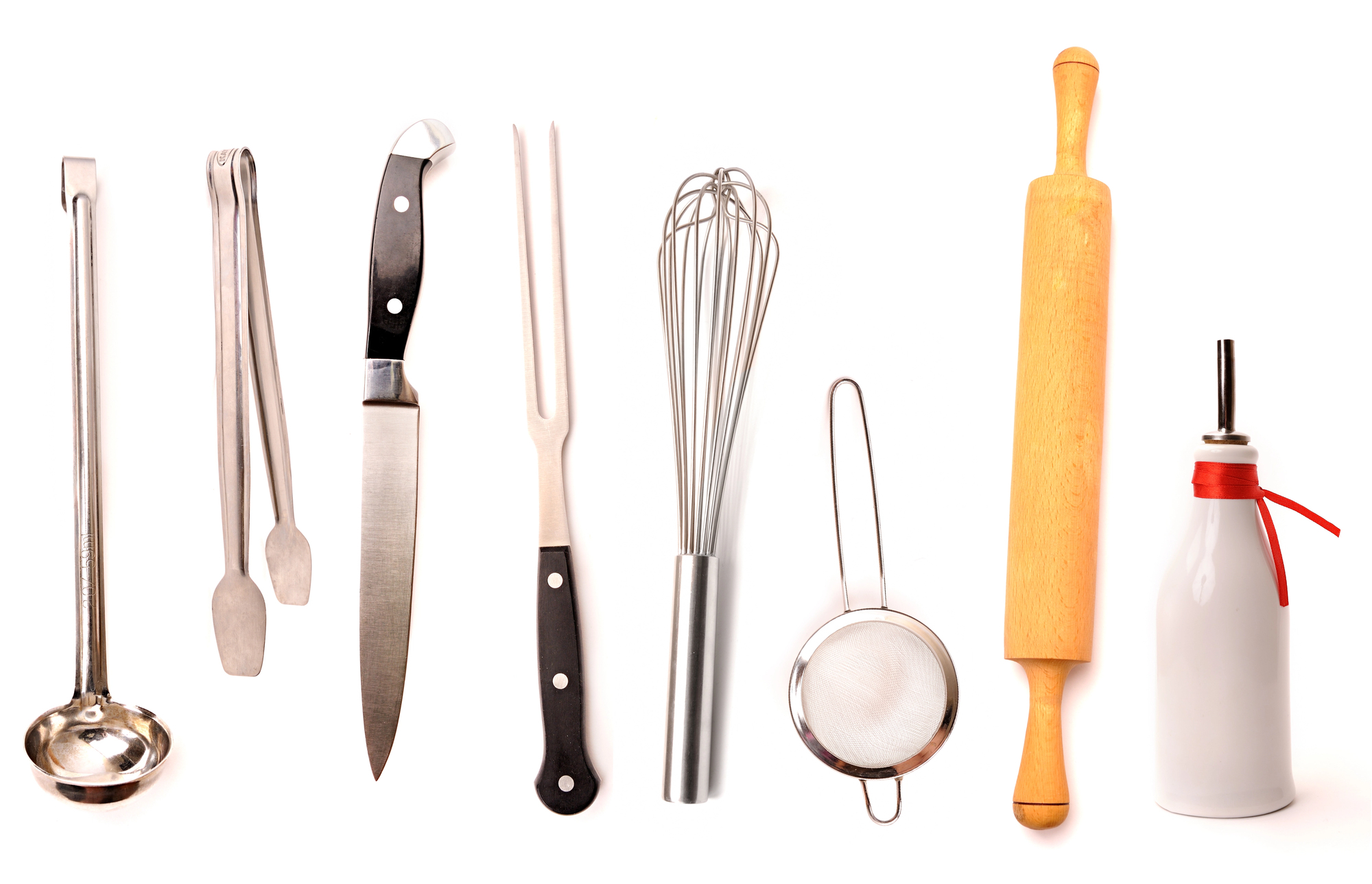
Wooden spoons work well for soups, sauces, and pasta.
A spatula or pancake turner helps flip eggs, pancakes, and meats.
A whisk is handy for whisking eggs and making sauces.
A cheese grater is one of the most used items in most kitchens. You can choose a box grater, which is a bit large to store. You can also get handheld graters. Be sure to get a course-bladed grater, a fine-bladed grater, and a microplane, which is great for small jobs like zesting lemons, grating whole spices like nutmeg, and grating garlic. You can find all three in economical grater sets.
A cheese grater is one of the most used tools in the kitchen. A grater set with coarse, fine, and microplane options covers most needs.
Vegetable peelers are great for carrots, squash, cucumbers and potatoes.
A can opener is essential.
Instant-read thermometers help ensure meat is cooked safely.
Pot holders protect your hands when handling hot cookware.
Knives
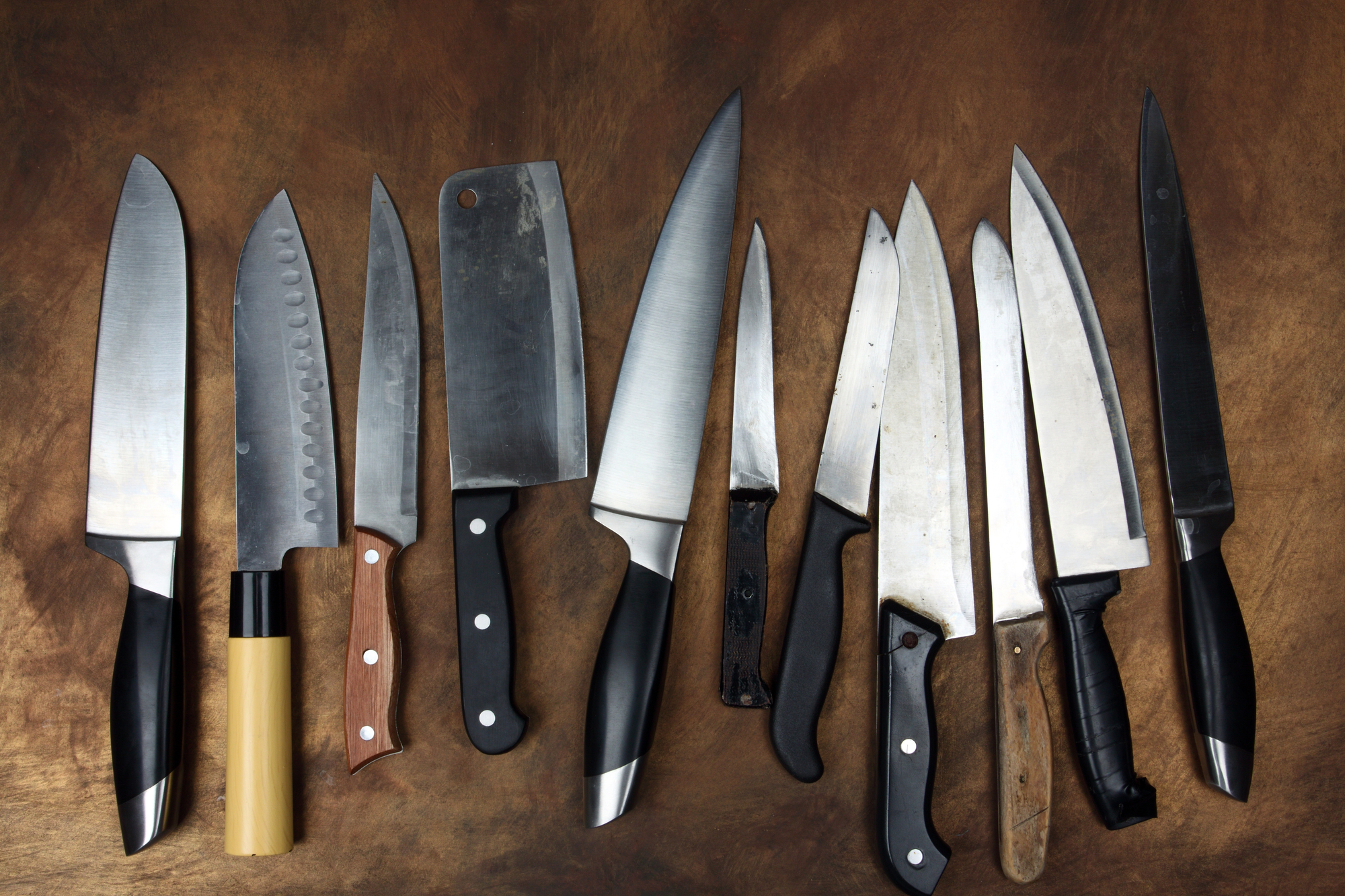
You only need a few knives to get started.
A quality chef’s knife handles most chopping and slicing tasks. Be sure to buy a knife with a hard blade that can be sharpened multiple times.
A serrated bread knife is essential for slicing bread.
Paring knives are a must-have knife and great for small jobs.
Baking Essentials
Baking requires a few specific tools.
Glass or Ceramic Casserole Dishes 9×13 inch casserole for casseroles and desserts. 8×8 inch glass pan for meats and vegetables or brownies.
Rimmed baking sheets, can be used for roasting and baking.
Muffin tins– if you plan on making muffins or cupcakes.
9-inch pie plate– These are great for pies and quiche.
If you plan on making pizzas or pies, a rolling pin is essential.
Silicone spatulas are great for mixing batters.
Kitchen Gadgets
These tools are optional, but they save time.
A hand mixer is easy to store and useful for baking and mashing foods.
An Instant Pot speeds up cooking and handles beans, soups, and stews well.
A slow cooker is easy to use and works well for hands-off meals.
An air fryer speeds up cooking and crisps foods without oil.
Final Note
You do not need a fully stocked kitchen to cook good food. Start with the basics and add tools as you go. Cooking should feel manageable and enjoyable, not complicated.


